Startup Acquisitions Reshape Toolchains for Virtual Production Workflows Across Gaming Studios
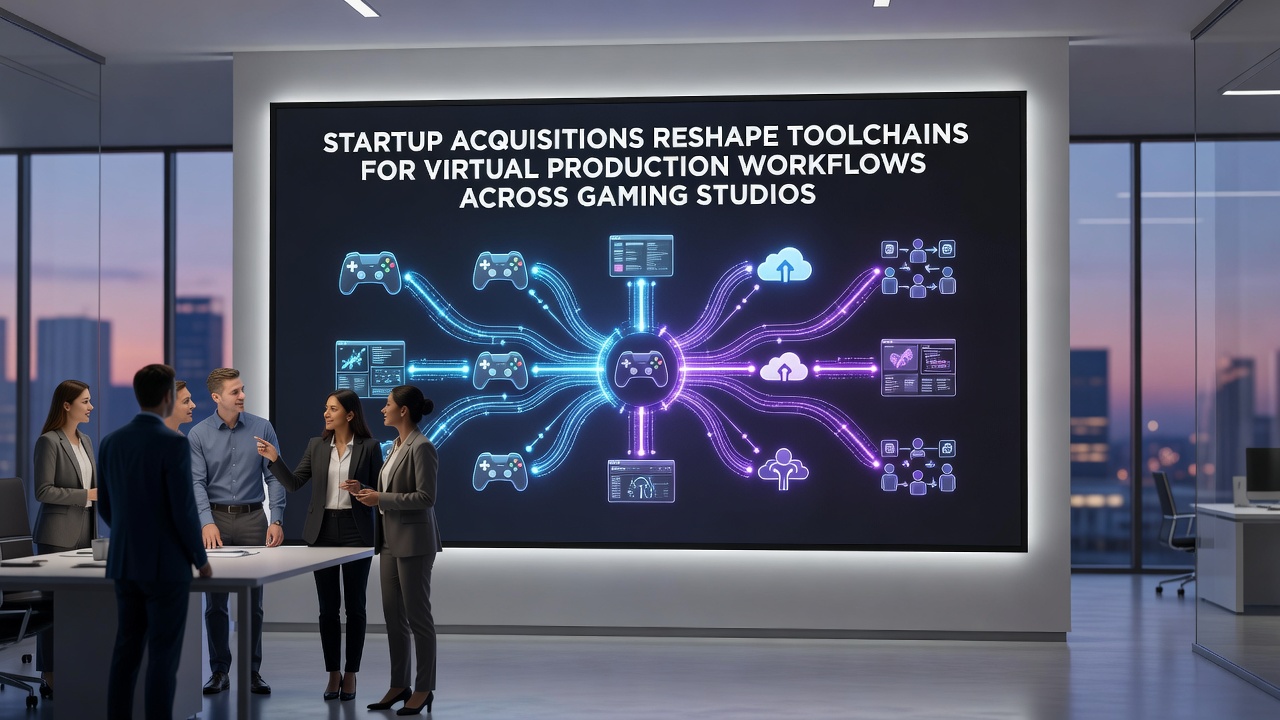
Multiple startup acquisitions have altered the available software options for virtual production pipelines in gaming studios since early 2025, and data from industry reports shows consolidation among vendors supplying real-time rendering, LED calibration, and motion capture integration tools. These changes affect how studios handle in-camera visual effects and previsualization sequences that tie directly into game asset pipelines. Observers note that smaller companies specializing in niche calibration software or procedural environment generation have joined larger engine providers, which in turn has consolidated licensing structures and update cycles for teams working on titles that blend live-action capture with real-time engines.
Acquisition Patterns and Their Direct Effects on Tool Integration
Figures from the Entertainment Software Association indicate that at least four virtual production startups completed acquisition deals between January 2025 and June 2026, each bringing specialized modules for LED wall synchronization or camera tracking into broader engine ecosystems. One transaction involved a Canadian firm whose real-time color grading toolkit now operates as a native plugin within a major commercial game engine, removing the need for separate export steps that previously added hours to daily review sessions. Another deal transferred ownership of a European motion analysis library to a U.S.-based graphics hardware company, resulting in tighter coupling between sensor data streams and rendering nodes used during virtual scouting.
Studios report that these integrations have reduced the number of middleware layers required when moving assets from capture stages to final game levels, yet they have also introduced new dependency chains that require updated security protocols and version control practices. Research compiled by the Interactive Software Federation of Europe shows that post-acquisition roadmaps released in spring 2026 emphasized unified licensing models, which eliminated separate per-tool subscriptions for several mid-sized development teams in Australia and South Korea.
Changes in Workflow Sequences Across Multiple Studios
Teams at studios working on open-world titles have adjusted their daily pipelines to accommodate consolidated toolsets that now bundle LED calibration utilities with engine-native virtual camera controls. One studio in Montreal documented a 22 percent reduction in calibration time after adopting an acquired module that handles both color matching across multiple wall panels and automatic lens distortion correction in a single pass. Another facility in Tokyo integrated a newly acquired procedural foliage generator directly into its existing asset pipeline, allowing environment artists to iterate on virtual production sets without exporting geometry to external applications.
Data collected by university researchers at the University of Melbourne indicates that studios adopting these combined toolchains experienced measurable shifts in iteration frequency, with daily review meetings moving from separate software interfaces to unified dashboards. The same study noted that cross-department collaboration between lighting technicians and gameplay programmers increased because shared parameter controls now reside within one application window rather than requiring file handoffs.
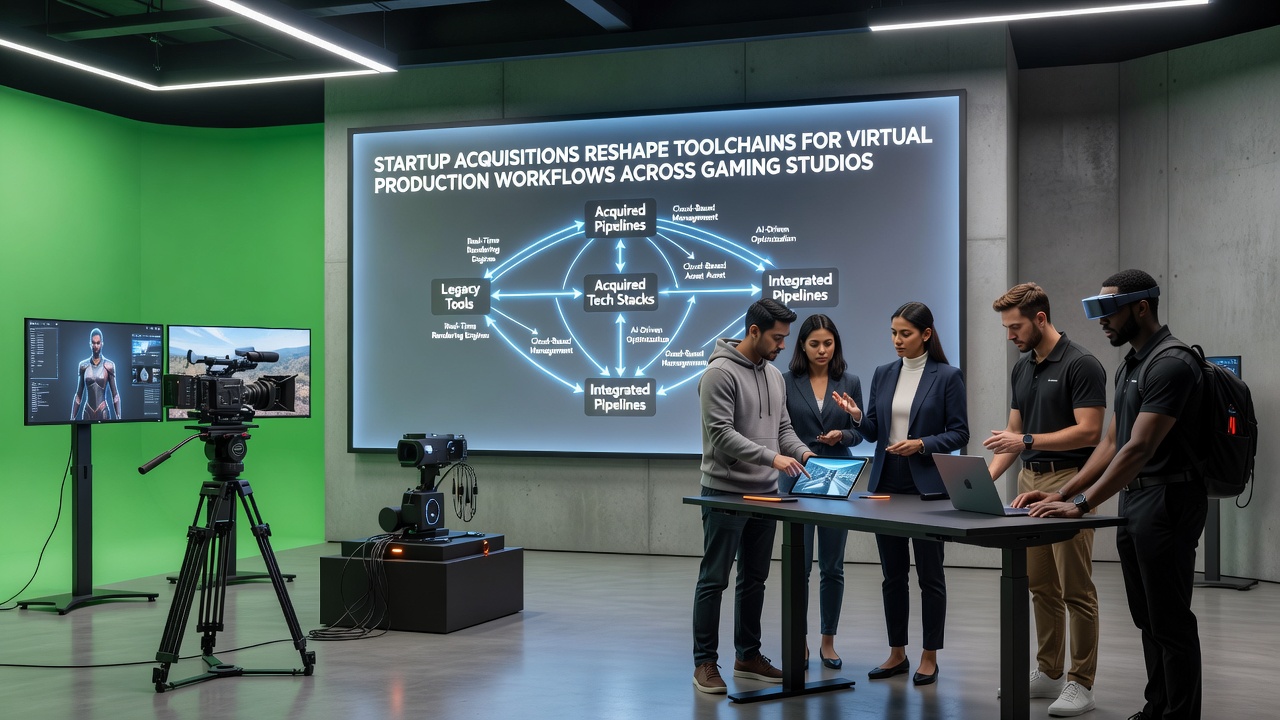
Regional Variations in Adoption and Licensing Adjustments
North American studios have moved more quickly toward full-suite licenses following acquisitions, according to internal usage statistics shared at the 2026 Game Developers Conference. European teams, by contrast, have maintained parallel legacy installations for specific regulatory compliance reasons tied to data residency requirements. Asian development centers report a hybrid approach where acquired calibration tools operate alongside locally developed tracking solutions to accommodate hardware variations common in regional stages.
Analysts tracking these transitions point out that contract terms now frequently bundle maintenance updates across multiple previously separate products, which has altered budgeting cycles for both independent and publisher-backed studios. A report issued by Innovation, Science and Economic Development Canada in May 2026 recorded a 15 percent rise in multi-year enterprise agreements covering virtual production software among Canadian game developers, coinciding with the timing of several acquisition announcements.
Technical Adjustments in Asset Pipelines and Rendering Nodes
Engine updates released after acquisitions have introduced native support for file formats previously handled only through third-party converters, allowing direct import of LED layout data into level editors. This shift has eliminated conversion steps that once introduced floating-point precision loss during high-resolution capture sessions. Teams working with high-frame-rate virtual cameras have also gained access to synchronized metadata streams that travel alongside rendered frames, simplifying downstream compositing tasks that feed into both marketing trailers and in-game cutscenes.
Hardware partners supplying LED panels have published compatibility matrices updated in June 2026 that list newly supported control protocols originating from the acquired startups, reducing the need for custom firmware bridges that previously required dedicated engineering resources. Observers tracking these matrices note that studios now schedule firmware rollouts in tandem with engine patch cycles rather than treating them as separate maintenance events.
Conclusion
Consolidation through startup acquisitions has produced measurable changes in the number of discrete applications required to move from capture stage to final game asset, with licensing structures and update cadences now aligned under fewer vendor agreements. Regional differences persist in how quickly studios adopt the combined toolchains, yet the overall pattern shows tighter integration between calibration, tracking, and rendering functions across multiple continents. Continued monitoring of post-acquisition roadmaps will clarify how these consolidated platforms evolve for future virtual production requirements in gaming development.