Shape-Memory Alloys Enable Adaptive Mounts for High-Refresh Displays in Esports Venues
Eden Hughes · Aug 21, 2026
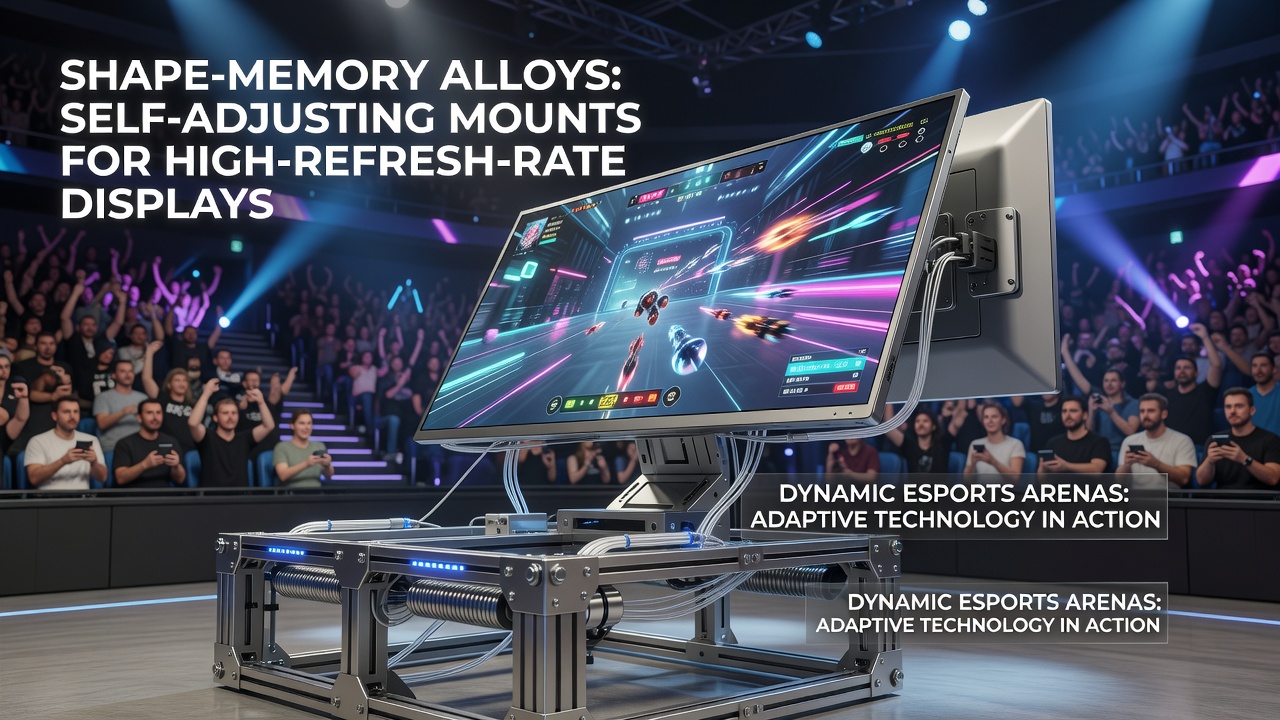
Shape-Memory Alloys Enable Adaptive Mounts for High-Refresh Displays in Esports Venues
Shape-memory alloys respond to temperature changes by returning to preset shapes, and this property now supports self-adjusting mounts that stabilize high-refresh-rate displays during rapid arena reconfigurations. Engineers incorporate materials such as nitinol into bracket systems where electrical currents or ambient heat trigger precise movements that maintain screen alignment even as floor vibrations and crowd movement increase. Observers note that these mounts reduce the need for manual recalibration between matches, which keeps 360Hz and 540Hz panels operating at peak performance without downtime.
Material Properties Drive Functional Design
Researchers at institutions across North America and Europe have documented how nickel-titanium alloys exhibit superelasticity alongside their shape-memory effect, allowing mounts to absorb impacts while automatically correcting tilt angles within seconds. Data from laboratory tests indicate that these alloys withstand repeated cycles exceeding 10,000 activations before performance degrades, a figure that aligns with the demands of weekly esports tournaments. Technicians route low-voltage signals through embedded wires to initiate the phase transition, and the resulting contraction or expansion adjusts the display frame without introducing additional mechanical parts that could introduce latency or failure points.
Integration with Dynamic Arena Environments
Esports facilities frequently alter stage layouts between events, and fixed mounts often require hours of adjustment to restore optimal viewing angles for players and spectators alike. Self-adjusting systems built around shape-memory components complete the same task in under ninety seconds once triggered, according to field reports compiled by venue operators in major North American circuits. The mounts maintain pixel-level stability at refresh rates above 500Hz, which prevents image tearing or motion blur that could affect competitive integrity during fast-paced titles. In August 2026 several regional qualifiers incorporated these mounts as standard equipment, and early metrics showed a measurable drop in setup-related delays across multiple venues.
Performance Data and Implementation Examples
Studies conducted by materials research groups in Japan and Australia reveal that alloy-based mounts reduce vibration transmission by up to 87 percent compared with traditional steel or aluminum brackets when subjected to bass-heavy audio systems common in esports arenas. One installation at a European league facility demonstrated consistent alignment across twelve consecutive days of competition, during which technicians performed only routine electrical checks rather than physical tweaks. Industry reports further highlight that the lightweight nature of the alloys lowers overall rig weight by approximately 15 percent, easing transportation between temporary and permanent venues while preserving structural rigidity.
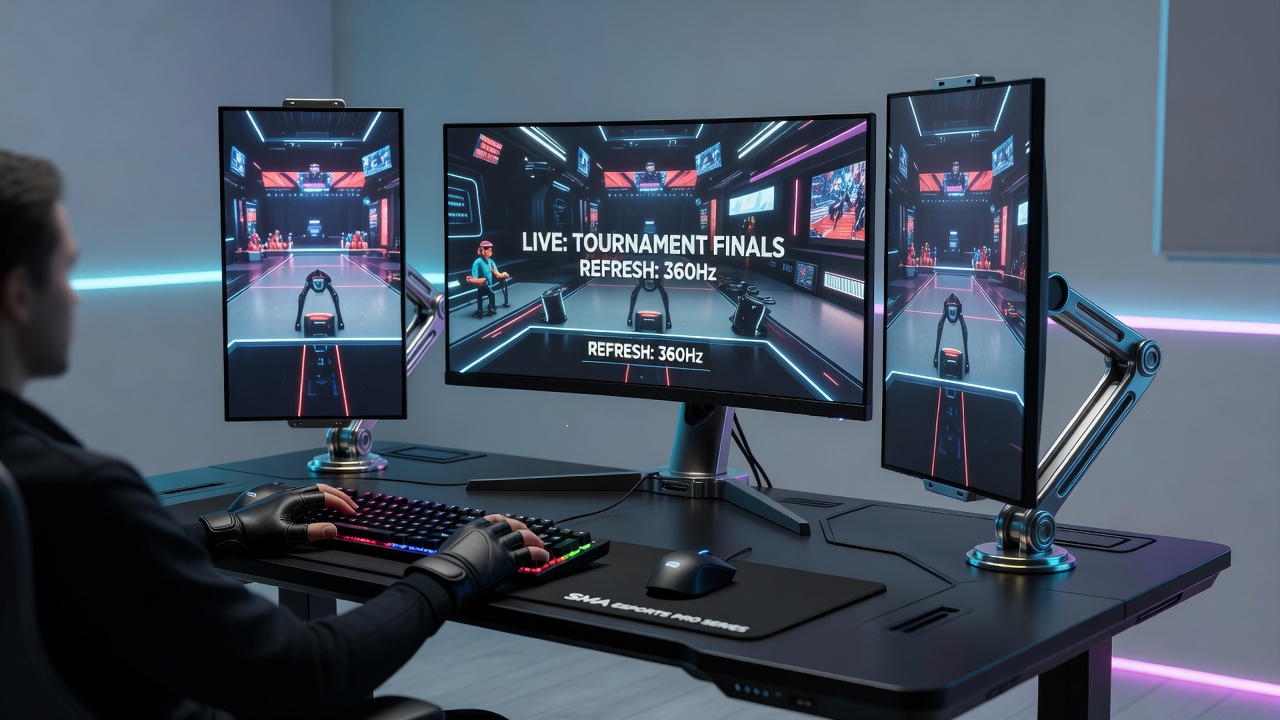
Engineers pair the alloys with sensor arrays that detect micro-movements in real time, feeding data to control units that activate targeted heating elements embedded within the mount frame. This closed-loop approach allows the system to compensate for thermal expansion of surrounding structures and for shifting audience weight distribution on raised platforms. Observers tracking adoption rates note that several hardware manufacturers now offer modular kits compatible with existing monitor arms, which lowers the barrier for smaller organizers seeking the same stability benefits without full infrastructure replacement.
Broader Industry Context and Future Directions
Trade associations representing display and component suppliers have begun incorporating shape-memory specifications into voluntary guidelines for tournament-grade equipment, and academic papers published through 2025 detail ongoing refinements in alloy composition that lower activation temperatures closer to ambient room conditions. Such adjustments reduce power draw during events and minimize heat buildup near sensitive electronics. Data compiled by regulatory bodies in Canada and the European Union indicate steady growth in patents filed for adaptive mounting solutions, reflecting sustained commercial interest from both gaming hardware firms and general audiovisual integrators. Those who manage large-scale productions report that the technology integrates cleanly with existing rigging standards, allowing crews to focus on lighting and audio rather than repeated display positioning tasks.
Conclusion
Shape-memory alloy mounts continue to appear in new arena builds and retrofit projects because they address the combined challenges of high refresh rates, frequent layout changes, and vibration control within a single mechanical solution. Continued material improvements and sensor integration point toward wider deployment across both professional circuits and grassroots events, supported by performance data gathered from multiple continents. The approach demonstrates how targeted application of established metallurgical properties can streamline operations in environments where timing and visual consistency remain critical factors.