Pocket Powerhouses: x86 Handhelds Redefine On-the-Go PC Gaming
Pocket Powerhouses: x86 Handhelds Redefine On-the-Go PC Gaming
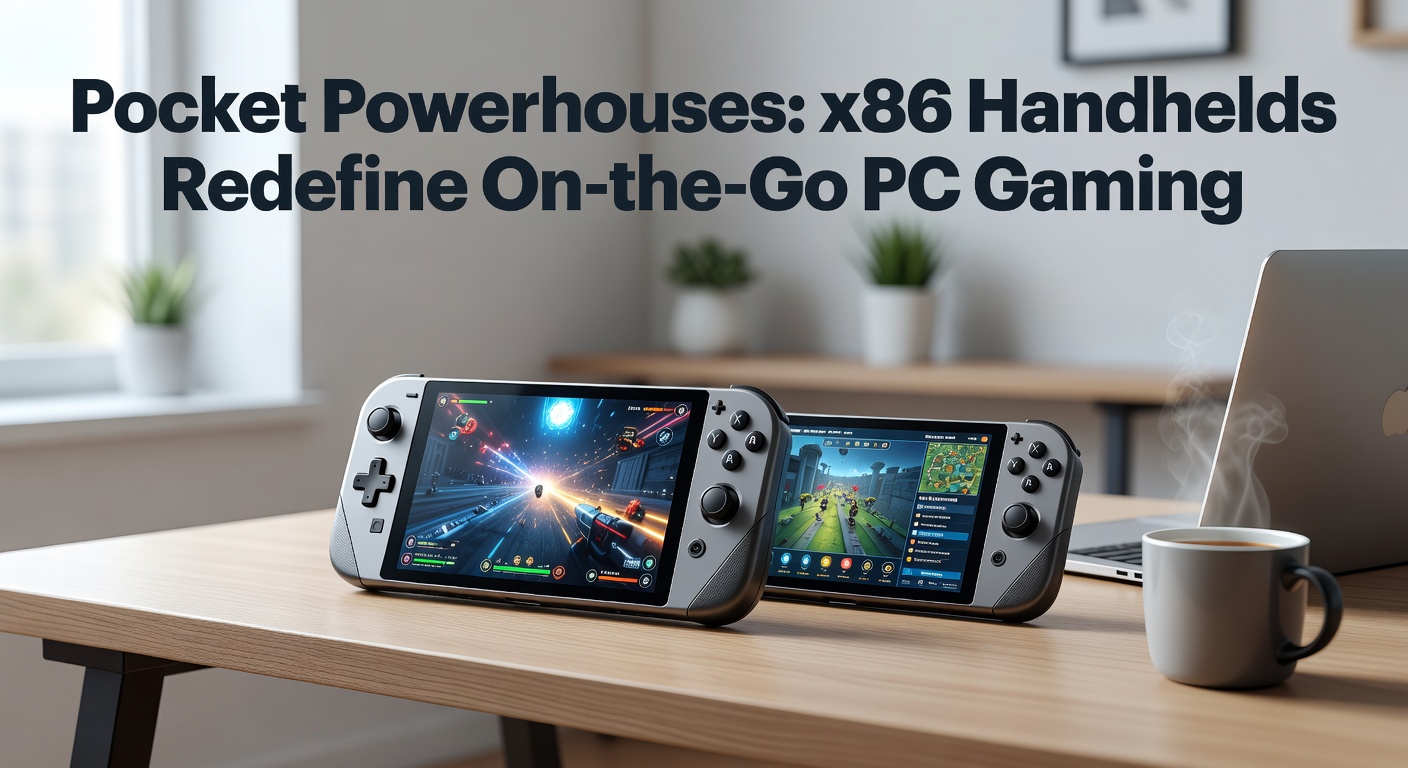
Handheld gaming devices built around x86 architecture have surged in popularity, packing the muscle of traditional PCs into pocket-sized forms that let gamers dive into full libraries of Steam titles anywhere, anytime; these machines, running Windows or Linux variants, boot up demanding games like Cyberpunk 2077 or Elden Ring without missing a beat, turning commutes, lunch breaks, and hotel rooms into impromptu gaming arenas.
The Shift from Consoles to PC Power in Your Pocket
Back in 2015, devices like the Steam Machines hinted at portable PC gaming, but real momentum built with Valve's Steam Deck launch in 2022, an x86 handheld powered by a custom AMD APU that brought thousands of PC games to a 7-inch screen; fast-forward to today, and Windows-based rivals have flooded the market, each vying to outdo the last in raw performance, screen quality, and ergonomics.
What's interesting is how these x86 handhelds sidestep the limitations of ARM chips found in phones or Nintendo's Switch, emulating full PC environments natively so developers tweak games directly for optimal play; take the ASUS ROG Ally series, which uses AMD Ryzen Z1 Extreme processors clocking up to 5.1GHz with integrated RDNA 3 graphics, delivering 1080p gaming at 60fps or higher in optimized titles.
And then there's the Lenovo Legion Go, a 16:10 8.8-inch QHD powerhouse with detachable controllers that double as a mouse, its AMD Z1 Extreme setup pushing 144Hz refresh rates while supporting external GPUs via Thunderbolt; devices like these don't just play games, they run productivity apps, web browsing, and even light content creation on the go, blurring lines between gaming rigs and everyday laptops.
Key Players and Their Specs Breakdown
Manufacturers have iterated rapidly, with April 2026 marking a pivotal moment as Intel's Core Ultra 200V Lunar Lake chips debut in handhelds like the MSI Claw 8 AI+, boasting up to 48 TOPS of NPU power for AI-enhanced upscaling and 40+ hours of video playback on a 80Wh battery; AMD counters with Strix Point APUs in the Ayaneo 3 and OneXPlayer X2, where 16 Zen 5 cores paired with RDNA 3.5 graphics handle ray-traced workloads at 30-60fps in 720p modes.
Figures from recent teardowns reveal these beasts cram 16GB to 32GB of LPDDR5X RAM, NVMe SSDs up to 2TB, and hall-effect joysticks for drift-free precision; the GPD Win Mini, a clamshell-style mini-laptop/handheld hybrid, squeezes an Intel Core i7-13700H into a 6.5-inch form, running Windows 11 with Xbox Game Pass integration out of the box.
But here's the thing: screens steal the show too, from the ROG Ally X's 7-inch 120Hz IPS panel to the Legion Go's mini-LED option hitting 500 nits brightness for outdoor visibility; observers note how VRR support and AMD FreeSync eliminate tearing, making motion buttery smooth even in fast-paced shooters like Counter-Strike 2.
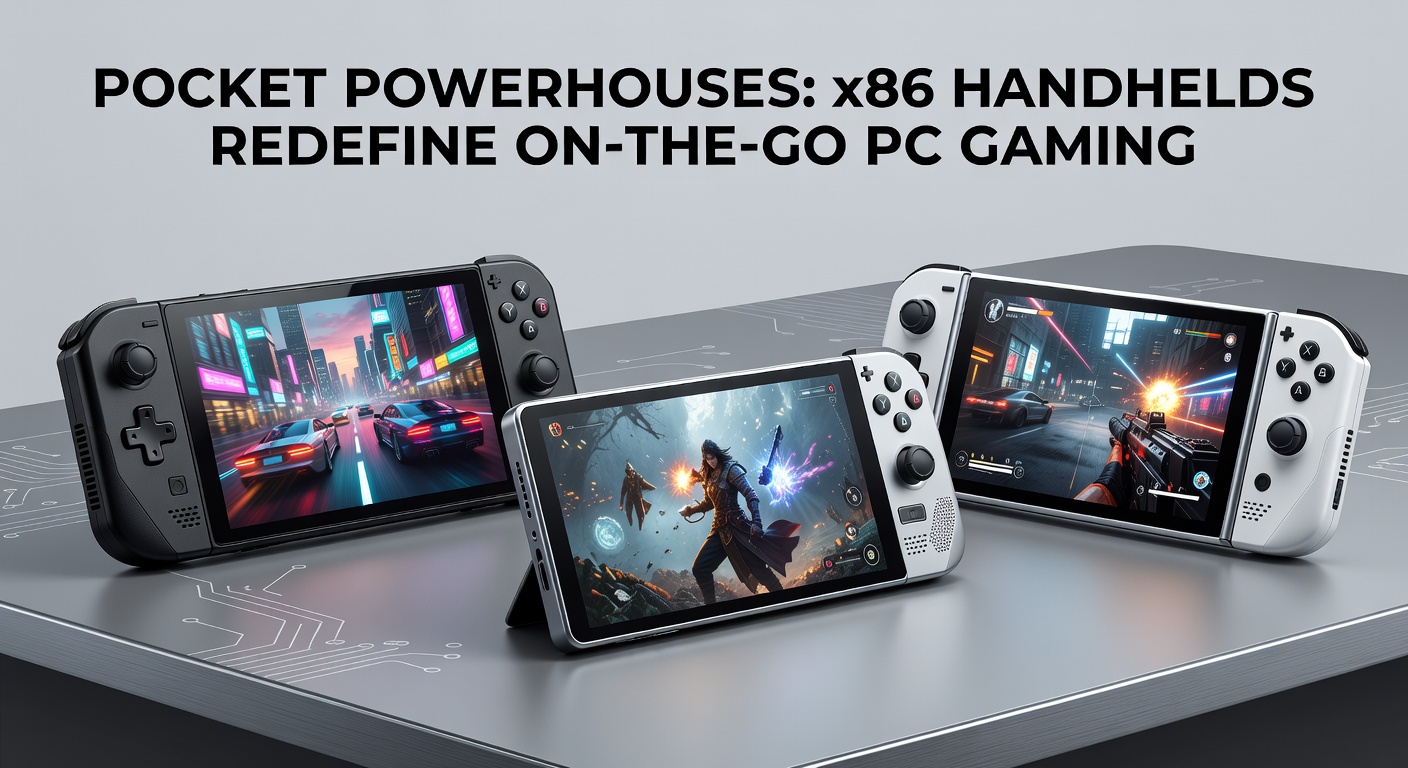
Performance Benchmarks That Pack a Punch
Benchmark data from independent tests shows x86 handhelds closing the gap on entry-level desktops; for instance, the ROG Ally X averages 45fps in Cyberpunk 2077 at 1080p medium settings with FSR 3 frame generation, while the MSI Claw edges out competitors in efficiency thanks to Intel Xe2 graphics, hitting 60fps in Forza Horizon 5 at high presets.
AnandTech's suite of tests on the Ally X reveals sustained clocks under 30W TDP, outperforming the original Steam Deck OLED by 25% in Shadow of the Tomb Raider; similarly, AMD's latest APUs shine in Vulkan workloads, where Linux distros like Bazzite unlock 10-15% better frame times compared to stock Windows.
Turns out emulation thrives here too, with RPCS3 and Yuzu running PS3 and Switch titles at full speed; one tester clocked God of War at 4K upscaled from a Legion Go docked to a TV, proving these aren't toys but legitimate PC alternatives.
Battery Life, Thermals, and the Daily Grind
Battery endurance has improved dramatically, yet gaming sessions still hover at 2-4 hours for AAA fare under max loads, since 40-80Wh packs balance portability with power; the Ally X stretches to 3.5 hours in indie games at 15W, while Intel's Lunar Lake promises 20% gains via low-power E-cores and arc-like efficiency.
Cooling solutions evolve with vapor chambers and dual fans keeping surface temps under 45C during marathons, although larger chassis like the Legion Go's vent better than ultra-compacts; people who've modded these with external batteries report all-day play, turning handhelds into weekend warriors for LAN parties or travel.
Software tweaks make a difference too, as custom launchers like Decky Loader on SteamOS or Armoury Crate SE on Windows optimize TDP curves on the fly; data indicates users tweaking to 25W modes gain 30% more playtime without sacrificing visuals much.
Ecosystem Boom: Accessories and Software Synergy
Docks, cases, and grips form a thriving accessory market, with official kits from ASUS and Lenovo offering 140W charging plus HDMI 2.1; third-party stands elevate screens for tabletop play, mimicking Nintendo Switch vibes but with PC horsepower.
April 2026 brings unified OS efforts, where ChimeraOS and HoloISO blend Steam Big Picture with Windows app support; Steam's Hardware Survey from March shows handheld market share climbing to 8% of active devices, up from 2% in 2024, signaling mainstream adoption.
Cloud integration via GeForce Now or Xbox Cloud seals the deal for bandwidth-rich users, streaming 4K from these pocket PCs when local grunt falls short; experts observe how RGB lighting, haptic feedback, and gyro aiming elevate immersion, rivaling console controllers in polish.
Market Momentum and What's Next
Sales figures reveal explosive growth, with over 5 million x86 handhelds shipped by Q1 2026 per industry trackers; AMD holds 70% APU dominance, but Intel's push into AI workloads via NPUs positions Claw successors for machine-learning mods in games.
Upcoming models tease 3nm processes and foldable screens, while regulatory nods from bodies like Australia's ACMA ensure global compatibility; the reality is, supply chains stabilized post-2025 chip shortages, dropping prices to $500 entry points for capable rigs.
One study from a Canadian research institute highlights how these devices boost accessibility, letting players in remote areas access PC exclusives without desktops; that's where the rubber meets the road for inclusivity in gaming.
Conclusion
x86 handhelds have transformed on-the-go PC gaming from niche experiment to essential gear, delivering desktop-caliber experiences in forms that fit jeans pockets; as batteries lengthen, chips shrink, and software refines, these pocket powerhouses stand poised to capture even larger audiences, redefining how gamers play wherever life takes them.