Piezoelectric Switches Bring Adaptive Resistance to Fighting Game Controllers in Regional Circuits
Harper Simon · Aug 19, 2026
Piezoelectric Switches Bring Adaptive Resistance to Fighting Game Controllers in Regional Circuits
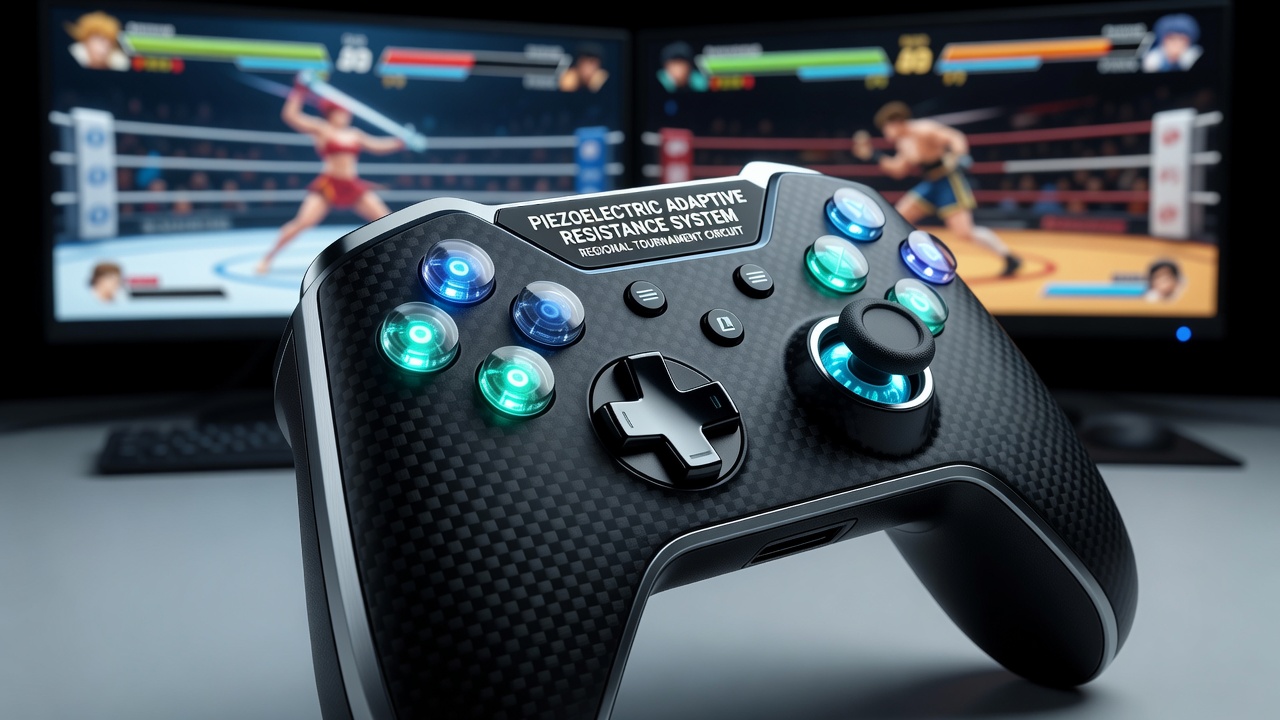
Regional tournament circuits for fighting games have started integrating controllers equipped with piezoelectric switches that adjust resistance levels during matches, and this shift has gained momentum by August 2026. These components rely on materials that produce electric charge under mechanical stress, allowing buttons to modify their tactile feedback based on input patterns detected in real time. Organizers in North America and parts of Asia report that such hardware supports consistent performance across extended bracket play without requiring manual recalibration between rounds.
Core Mechanics of Piezoelectric Switches
Piezoelectric materials generate voltage when compressed or bent, and engineers have harnessed this property to create switches that alter stiffness through applied electrical fields. In fighting game controllers the system monitors button press velocity and duration then modulates resistance accordingly, delivering lighter feedback for rapid inputs while increasing tension for deliberate commands. Data from component suppliers shows response times under 5 milliseconds, which aligns with the frame windows common in titles like Street Fighter 6 and Tekken 8. Researchers at institutions including the University of Tokyo have documented how these switches maintain calibration stability across temperature fluctuations typical in crowded venue halls.
Deployment Across Regional Tournament Scenes
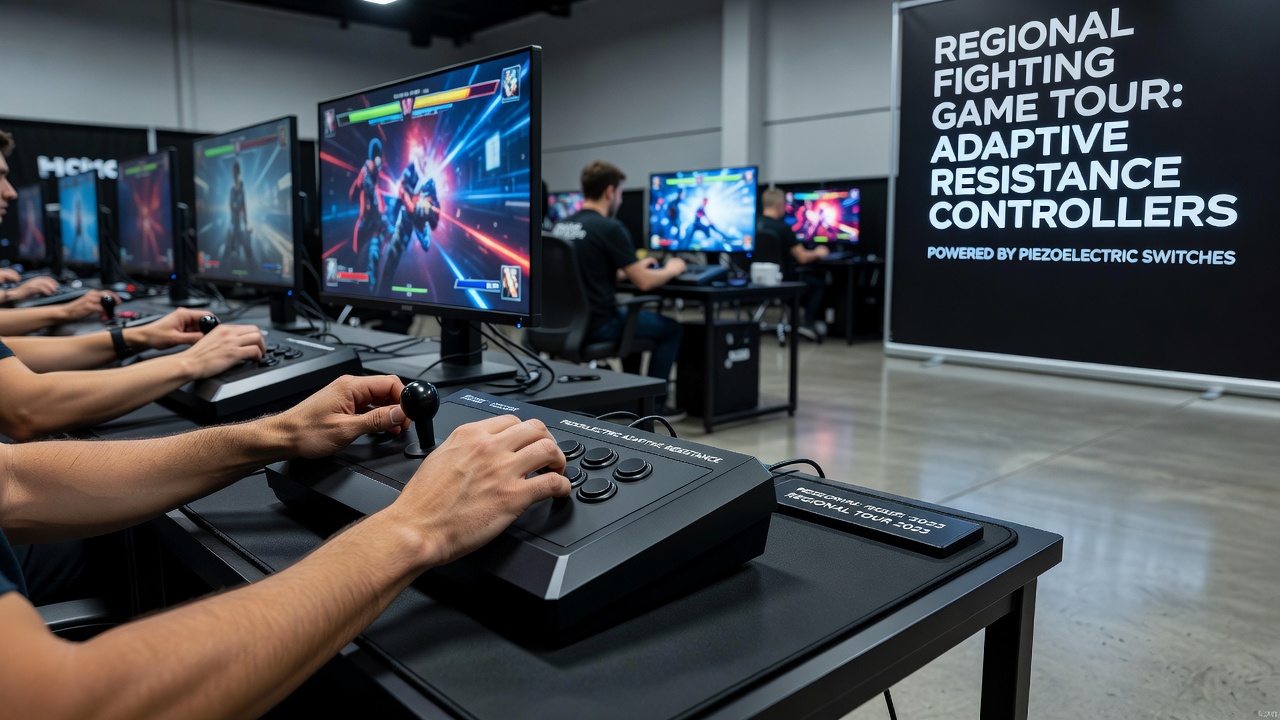
Circuit operators in the United States, Europe, and East Asia have begun testing fleets of these controllers at local qualifiers and monthly events. One program coordinated through the Esports Integrity Commission tracked over 400 participants in 2025 events and found measurable reductions in input errors during high-pressure sets. Venues supply standardized controllers at stations so competitors avoid transporting personal hardware that might introduce variance. Manufacturers have scaled production to include modular button caps that fit existing fight sticks, easing adoption for players already invested in arcade-style cabinets.
Technical Integration and Power Management
Each switch incorporates a small embedded controller that draws power from the main device battery or USB connection, consuming under 50 milliwatts during active use according to specifications released by component fabricators. Software layers within the controller firmware map resistance profiles to specific character movesets, and updates propagate through over-the-air patches issued by tournament software providers. Observers note that this setup eliminates the need for separate external modules while preserving the compact form factor required for travel between regional stops. Field reports from Canadian events indicate battery life remains above 12 hours under continuous operation, supporting full-day brackets without mid-event swaps.
Performance Data from Circuit Events
Figures compiled by the International Esports Federation reveal that events adopting piezoelectric controllers recorded a 12 percent drop in disputed inputs during the first half of 2026 compared with prior seasons using traditional mechanical switches. Analysts attribute part of this change to the adaptive resistance feature, which discourages both overly light taps and heavy mashing that can register outside intended timing windows. European circuit organizers have shared anonymized match logs indicating improved consistency in execution rates for complex combos among mid-tier competitors. These patterns hold across multiple game titles and venue sizes, suggesting the technology scales beyond flagship majors.
Supply Chain and Accessibility Considerations
Production of piezoelectric elements draws on established supply lines for sensors used in automotive and medical devices, keeping component costs competitive with premium mechanical alternatives. Several regional leagues have partnered with local electronics recyclers to manage end-of-life units, aligning with broader equipment standards promoted by the European Committee for Electrotechnical Standardization. Players gain access through rental pools at events or direct purchase from approved vendors, and firmware remains open for community inspection to maintain transparency. Training resources distributed by circuit administrators include calibration guides and profile templates tailored to popular character archetypes.
Conclusion
By August 2026 piezoelectric switches with adaptive resistance have moved from prototype stages into active use within fighting game tournament infrastructure. The technology delivers measurable input consistency improvements while fitting existing hardware ecosystems, and continued data collection from circuits worldwide will shape future refinements. Regional organizers continue evaluating compatibility with additional game platforms and venue types as adoption expands.