Piezoelectric Actuator Arrays Deliver Silent Tactile Cues in Tournament Headsets for High-Stakes Team Coordination
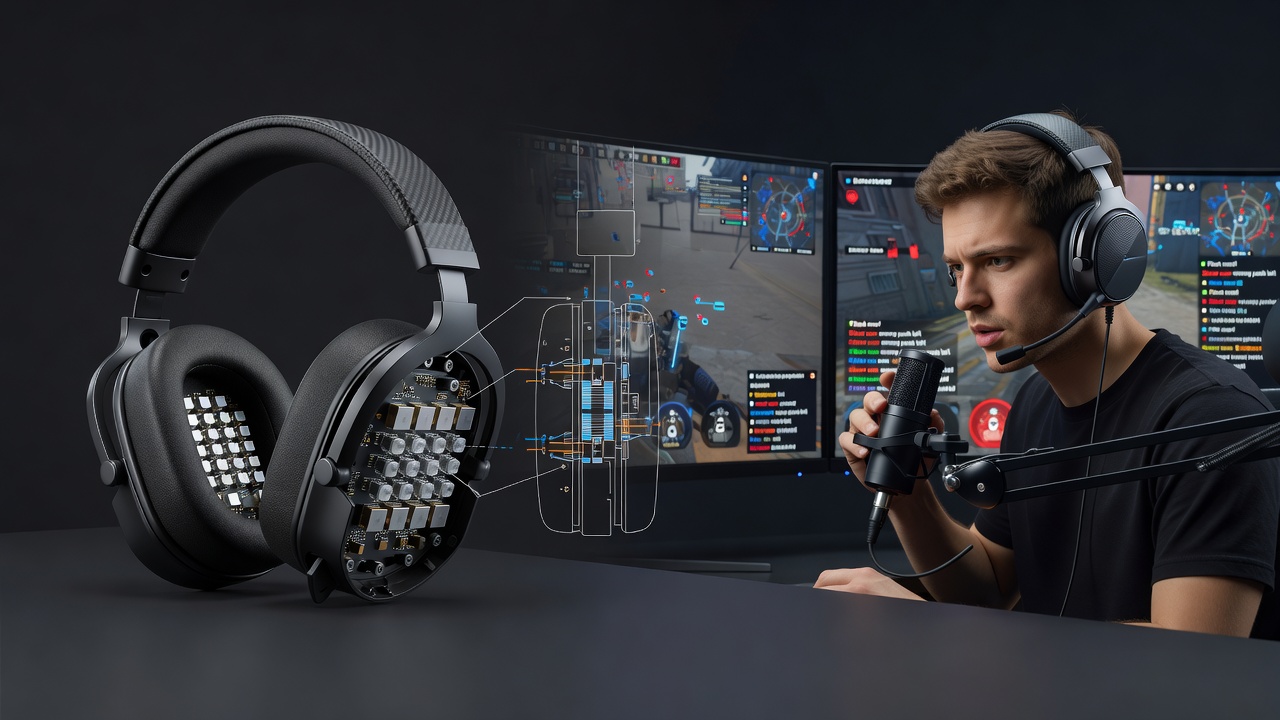
Competitive esports teams have integrated piezoelectric actuator arrays into tournament headsets to transmit silent tactile signals during live coordination calls, and this approach keeps verbal exchanges private while opponents sit nearby. These arrays convert electrical signals into precise mechanical vibrations that players feel against their skin without generating audible noise that could leak strategic information.
How Piezoelectric Actuators Function in Headset Designs
Materials such as lead zirconate titanate expand or contract when voltage is applied, and engineers arrange multiple actuators into compact arrays that fit along headset earcups and headbands. Each element responds in milliseconds to produce distinct vibration patterns that correspond to coded messages like position updates or timing alerts. Research from the University of Toronto indicates that these arrays achieve frequency responses up to 500 Hz while maintaining power draws below 50 milliwatts during extended matches.
Designers position the actuators at contact points that avoid interfering with audio drivers yet remain sensitive enough for quick recognition, and this layout lets players distinguish between different cue types through intensity and duration variations. Data from component suppliers shows array thickness often stays under 3 millimeters so overall headset weight stays comparable to standard models used in regional circuits.
Adoption Trends Across Major Tournaments by July 2026
League organizers began testing the technology in qualifiers during early 2025, and by July 2026 several international events required silent cue compliance for all team voice channels. Teams in first-person shooter and real-time strategy titles reported fewer instances of misheard instructions when background arena noise reached 85 decibels or higher. Figures from the European Esports Federation reveal that 62 percent of top-division squads had incorporated actuator-equipped headsets into their standard loadouts by mid-2026.
Signal Processing and Pattern Encoding
Software layers translate voice commands or pre-set macros into vibration sequences that travel through dedicated control chips inside the headset, and these sequences repeat at intervals that prevent sensory adaptation during long sets. Engineers calibrate patterns so that a short pulse might indicate an enemy flank while a sustained rhythm signals objective timing, and players train to interpret these signals without diverting attention from screens. Studies conducted at the Technical University of Munich found recognition accuracy exceeded 94 percent after eight hours of practice sessions.
Hardware Integration Challenges and Solutions
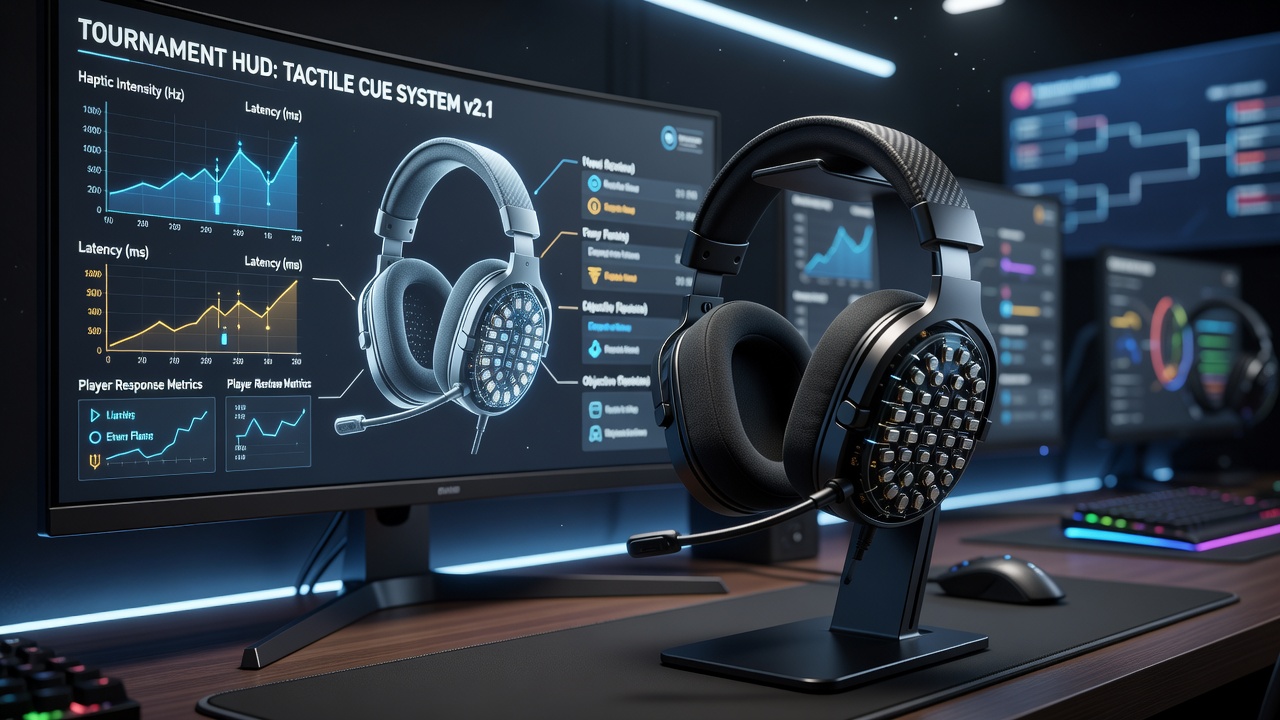
Heat dissipation becomes a factor when arrays operate continuously for tournament-length sessions that stretch past ninety minutes, yet manufacturers address this through thin graphene layers that spread thermal loads across earcup housings. Battery life remains stable because the actuators draw current only during active cue transmission rather than constant operation, and this efficiency lets teams complete full days of competition on a single charge cycle. Component tests published by the IEEE Sensors Council confirm mean time between failures above 10,000 hours under tournament duty cycles.
Wireless synchronization protocols link the headset arrays to team communication software so cues trigger automatically when certain keywords appear in voice channels, and this automation reduces manual input requirements during fast-paced exchanges. Observers note that latency stays below 8 milliseconds across tested 5 GHz bands, which keeps tactile feedback aligned with spoken words.
Player Training Protocols and Performance Data
Coaching staffs incorporate actuator pattern drills into daily regimens alongside aim trainers and strategy reviews, and these sessions build muscle memory so reactions become reflexive. One documented case from a North American league team showed a 17 percent reduction in miscommunication errors across a three-month period after switching to actuator-enabled headsets. Analysts tracking match statistics across multiple circuits found teams using the technology maintained higher coordination scores in overtime rounds where verbal clarity typically declines.
Regulatory bodies in Canada and Australia have begun reviewing equipment standards that cover electromagnetic emissions from the actuator control circuits, and compliance testing ensures no interference occurs with arena broadcast equipment. Industry groups such as the Global Esports Federation have published guidelines that recommend minimum cue intensity thresholds to accommodate players with varying tactile sensitivity levels.
Conclusion
Piezoelectric actuator arrays continue to expand within professional headset ecosystems as tournament organizers prioritize secure coordination channels, and ongoing material refinements point toward even finer vibration granularity in upcoming hardware revisions. Data collected through 2026 demonstrates consistent reliability across diverse game genres and venue conditions, which supports broader implementation in both amateur and elite circuits.