Neuromorphic Chips Bring Adaptive Training Partners to Offline Fighting Game Setups
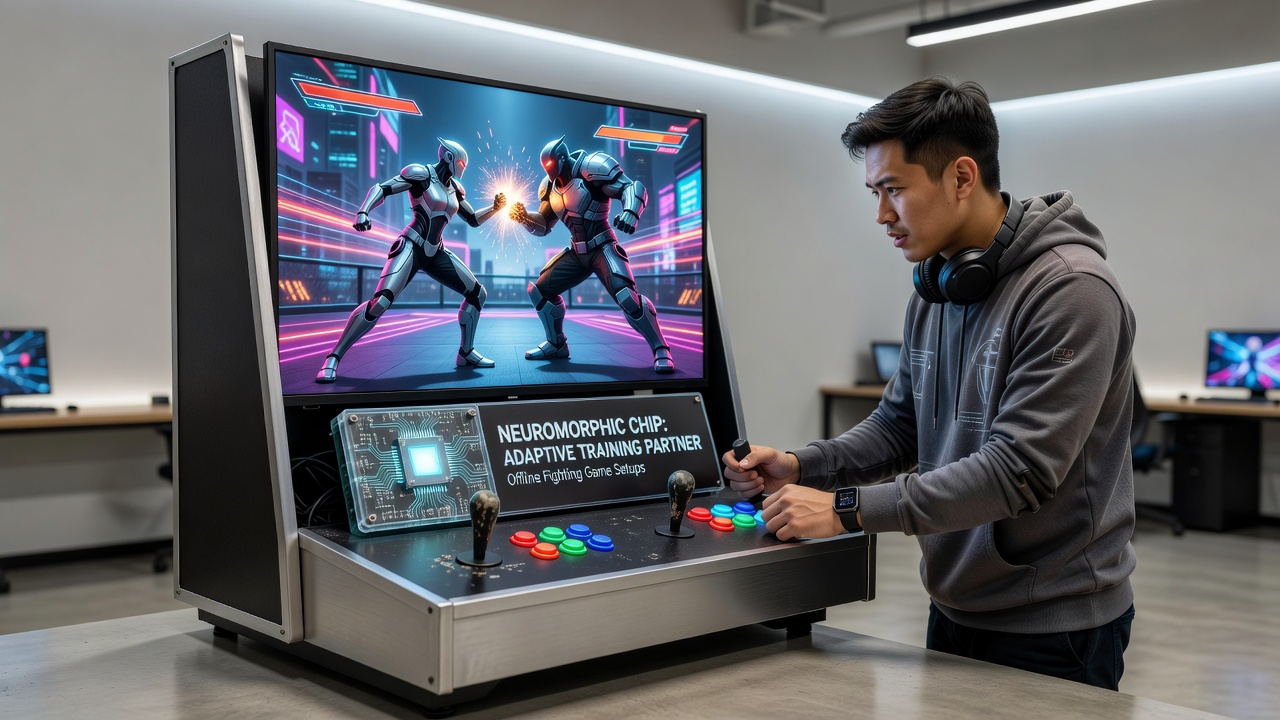
Neuromorphic chips process information in ways that mirror neural structures found in biological brains and this approach allows offline fighting game systems to run adaptive training partners without constant internet connections or high power draws. Data from hardware development reports shows these chips handle spiking neural networks that adjust opponent behaviors based on player patterns observed during matches and this capability turns static practice modes into dynamic sessions that evolve over repeated play.
Core Technology Behind the Adaptation
Engineers design neuromorphic processors with event-driven architectures that activate only when input signals arrive unlike traditional CPUs that maintain constant clock cycles and this difference reduces energy consumption while enabling real-time responses in local setups. Studies conducted at research institutions across North America and Europe indicate that chips modeled after the human brain can store and update opponent strategies using minimal memory bandwidth which suits arcade cabinets or home consoles that lack cloud access. In June 2026 several hardware vendors demonstrated prototypes at industry events where these chips powered training modes that modified attack timings and defensive reactions after analyzing just a few rounds of input data from the player.
Implementation involves mapping game state variables such as character positions health bars and move histories onto neuron-like nodes that fire spikes when thresholds are crossed and this method creates opponents that learn preferred counters without pre-programmed scripts. Observers note that the same hardware supports multiple game titles through firmware updates because the underlying neural simulation remains flexible across different rule sets and input schemes.
Integration in Offline Environments
Local fighting game communities often rely on dedicated cabinets or console rigs for tournaments and practice and neuromorphic additions fit into these environments by connecting directly to existing control boards through standard interfaces. Reports from gaming hardware associations in Asia and Australia highlight installations where a single chip module replaced older AI boards yet delivered opponents capable of shifting from aggressive rush-down tactics to patient zoning strategies based on detected player habits. The adaptation occurs entirely on-device because the neuromorphic design processes sensor-like inputs from the controller stream in parallel rather than through sequential code loops.
Case examples include regional meetups where players used modified setups to prepare for bracket matches and the training partners adjusted difficulty dynamically after each set which allowed consistent skill progression without external servers. Manufacturers achieve this by embedding the chips alongside traditional graphics and sound components so the overall cabinet footprint stays unchanged while adding new behavioral layers to the gameplay loop.
Performance Metrics and Field Data
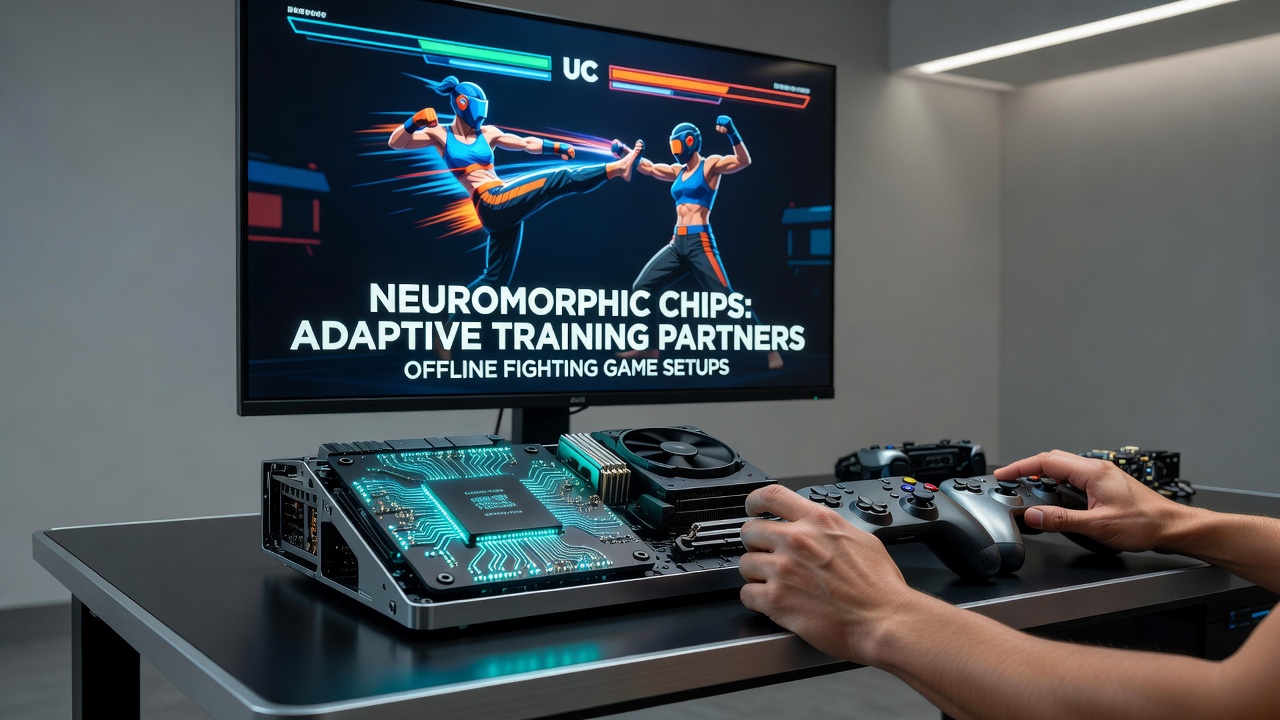
Benchmark tests released by academic groups in Canada and the European Union reveal latency reductions of up to 40 percent compared with GPU-based AI simulations when running equivalent opponent models on neuromorphic hardware. Power draw measurements show sustained operation under 15 watts which extends play sessions on battery-powered portable cabinets used at outdoor events or smaller venues. Figures compiled by trade organizations indicate adoption rates rising among independent arcade operators who value the chips for their ability to maintain consistent frame timing even as the AI model grows more complex through continued player interaction.
Compatibility testing covers major fighting game engines and shows that input polling rates remain stable while the adaptive layer runs in background threads that do not interfere with core game logic. Developers achieve this separation by allocating dedicated memory partitions on the neuromorphic die for state tracking so updates to opponent profiles occur without frame drops or input lag.
Broader Applications Across Competitive Scenes
Training regimens in professional circuits now incorporate these offline adaptive partners because they provide repeatable yet varied sparring opportunities that mirror human opponents more closely than fixed difficulty levels. Data collected at events organized by international esports federations demonstrates measurable improvements in player reaction times and decision accuracy after regular sessions against neuromorphic-driven opponents. The technology also supports spectator modes where observers can review how the AI adjusted its approach across multiple matches which adds analytical value during post-event reviews.
Hardware partnerships between chip designers and game publishers have produced reference designs that include standardized APIs for exposing neural state variables to external analysis tools and this openness allows coaches to review training logs without proprietary software barriers. Similar integrations appear in rhythm game cabinets and other timing-critical genres because the core neuromorphic advantages translate across genres that reward precise pattern recognition.
Conclusion
Neuromorphic chips continue to expand the range of standalone fighting game setups by delivering opponents that adapt through direct on-device learning and this development aligns with existing trends in local hardware customization. Continued collaboration between semiconductor researchers and gaming communities supports further refinements in model efficiency and integration ease while preserving the offline nature that defines many competitive scenes.