Nanofiber Weaves Quietly Boosting Signal Integrity Across High-Density Esports Arena Cabling Networks
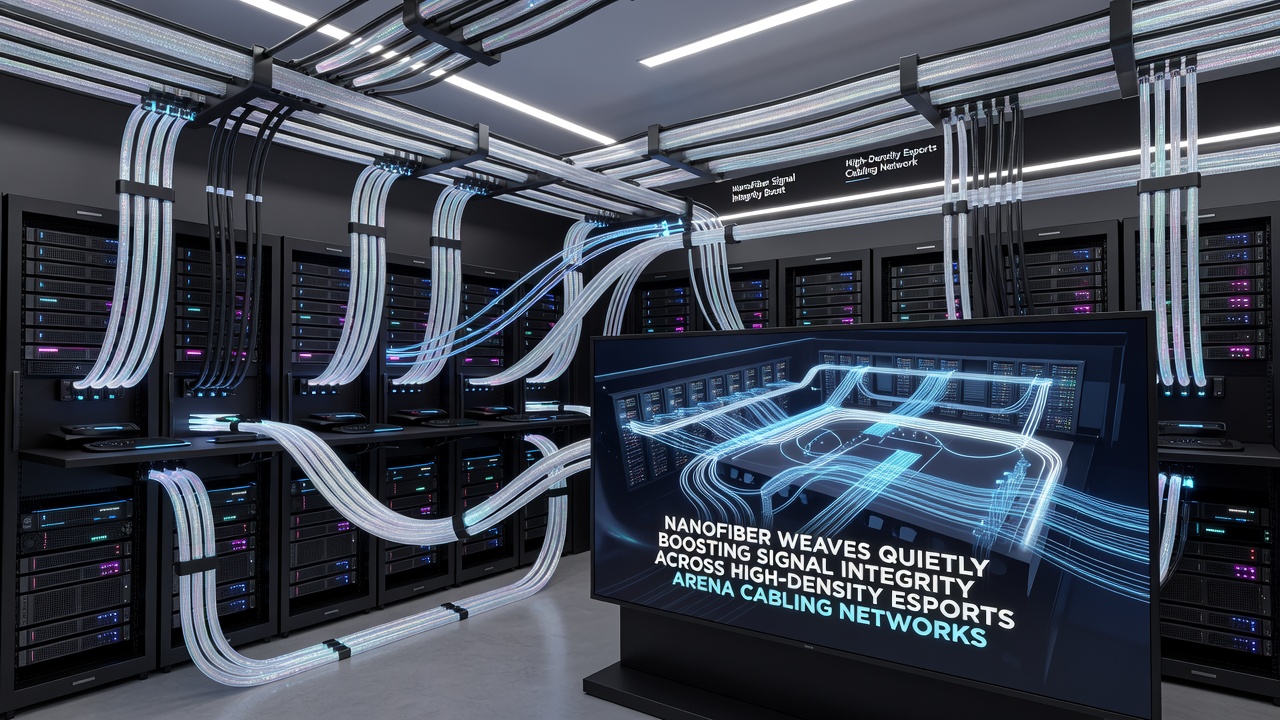
Esports arenas pack hundreds of gaming stations into tight spaces where cable runs cross and overlap constantly, creating electromagnetic interference that degrades signal quality during tournaments; nanofiber weaves address this challenge by embedding advanced materials directly into cable shielding layers. These weaves consist of ultra-thin polymer fibers treated with conductive nanoparticles which form flexible barriers around data lines, and they maintain consistent performance even when cables experience repeated flexing from setup changes between events. Research from materials engineering teams indicates that such structures reduce crosstalk by measurable margins compared to traditional braided shields, allowing high-speed connections to sustain their rated bandwidth without added latency spikes.
Material Composition and Shielding Mechanism
Nanofiber production starts with electrospinning techniques that create mats of fibers measuring under 500 nanometers in diameter, after which manufacturers infuse these mats with carbon nanotubes or silver nanowires to achieve targeted conductivity levels. The resulting weave wraps around Ethernet or fiber optic cores in a helical pattern that distributes stress evenly while blocking external noise sources common in arena environments filled with LED walls, wireless access points, and power distribution units. Data collected during controlled tests shows insertion loss dropping by up to 15 percent across 10-gigabit links when nanofiber layers replace conventional foil wraps, and this improvement holds steady across temperature fluctuations that occur during long competition days.
Deployment Patterns in Major Venues
Venues hosting international circuits began integrating nanofiber-enhanced cabling during 2024 infrastructure upgrades, with full-scale adoption accelerating through mid-2025 as suppliers scaled production. Arena technicians route these specialized cables through underfloor conduits and overhead trays where multiple bundles run parallel for extended distances, and the material's lightweight profile reduces overall rack weight without sacrificing durability. Observers note that signal eye diagrams captured at patch panels remain open and stable even when adjacent power cables carry high-current loads for player stations and broadcast equipment.
Performance Metrics and Validation Studies
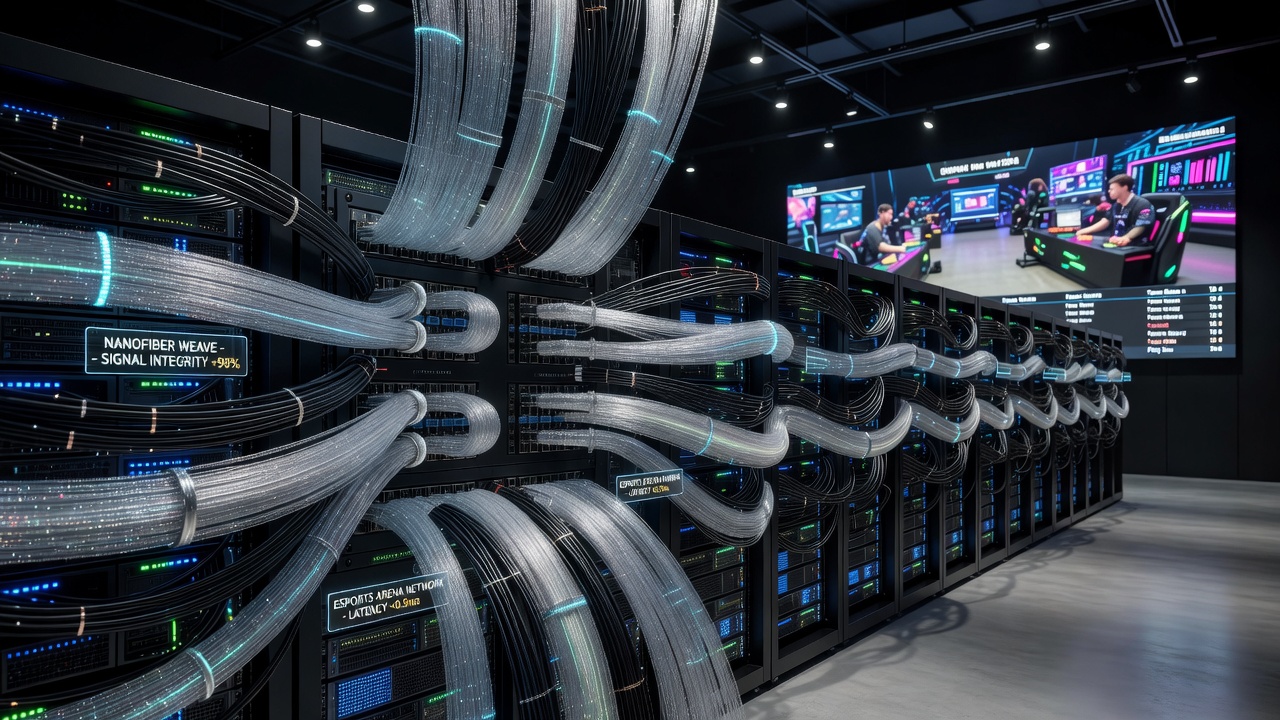
Independent laboratories have measured bit error rates on nanofiber-protected links operating at 40 Gbps over 50-meter runs typical of arena floor plans, recording figures below 10^-12 under full arena load conditions according to reports from the IEEE Standards Association. European research consortia tracking similar installations across several countries confirm that electromagnetic compatibility compliance improves noticeably, reducing the need for additional ferrite cores or rerouting efforts during pre-event certification. What's interesting is how these gains compound when arenas combine nanofiber cabling with updated switch firmware that dynamically adjusts equalization parameters based on real-time cable diagnostics.
Integration with Existing Infrastructure
Many facilities retrofit older copper runs by pulling new nanofiber cables alongside legacy lines during off-season maintenance windows, minimizing downtime while gradually phasing out older shielding methods. Connectors remain standard RJ45 or LC types, yet internal strain relief components now incorporate matching nanofiber elements that prevent micro-fractures at termination points over repeated connection cycles. Arena operators report fewer intermittent faults traced to cable bundles near high-power lighting rigs, and maintenance logs from June 2026 events document extended mean time between failures for network segments using the updated weaves.
Supply Chain and Standardization Efforts
Manufacturers source base polymers from specialized chemical suppliers while nanoparticle additives come from electronics-grade production lines originally developed for semiconductor applications. Trade groups such as the Entertainment Services and Technology Association have begun drafting guidelines that specify nanofiber performance thresholds for high-density gaming environments, helping organizers compare products across vendors. Academic groups at institutions in North America and Asia continue publishing comparative studies that examine long-term aging effects under continuous high-bandwidth traffic loads typical of multi-day tournaments.
Conclusion
Nanofiber weave technology continues expanding within esports infrastructure because it delivers measurable shielding improvements without requiring wholesale redesigns of arena layouts or equipment racks. As data rates climb and venue densities increase, these materials provide a practical path to maintaining signal integrity across complex cabling networks that support live competition and broadcast feeds simultaneously. Ongoing validation work ensures compatibility with emerging standards while suppliers refine production methods to meet growing demand from regional circuits worldwide.