Material Science Shifts in Circuit Board Substrates Paving the Way for Lighter Tournament-Ready Arcade Cabinets
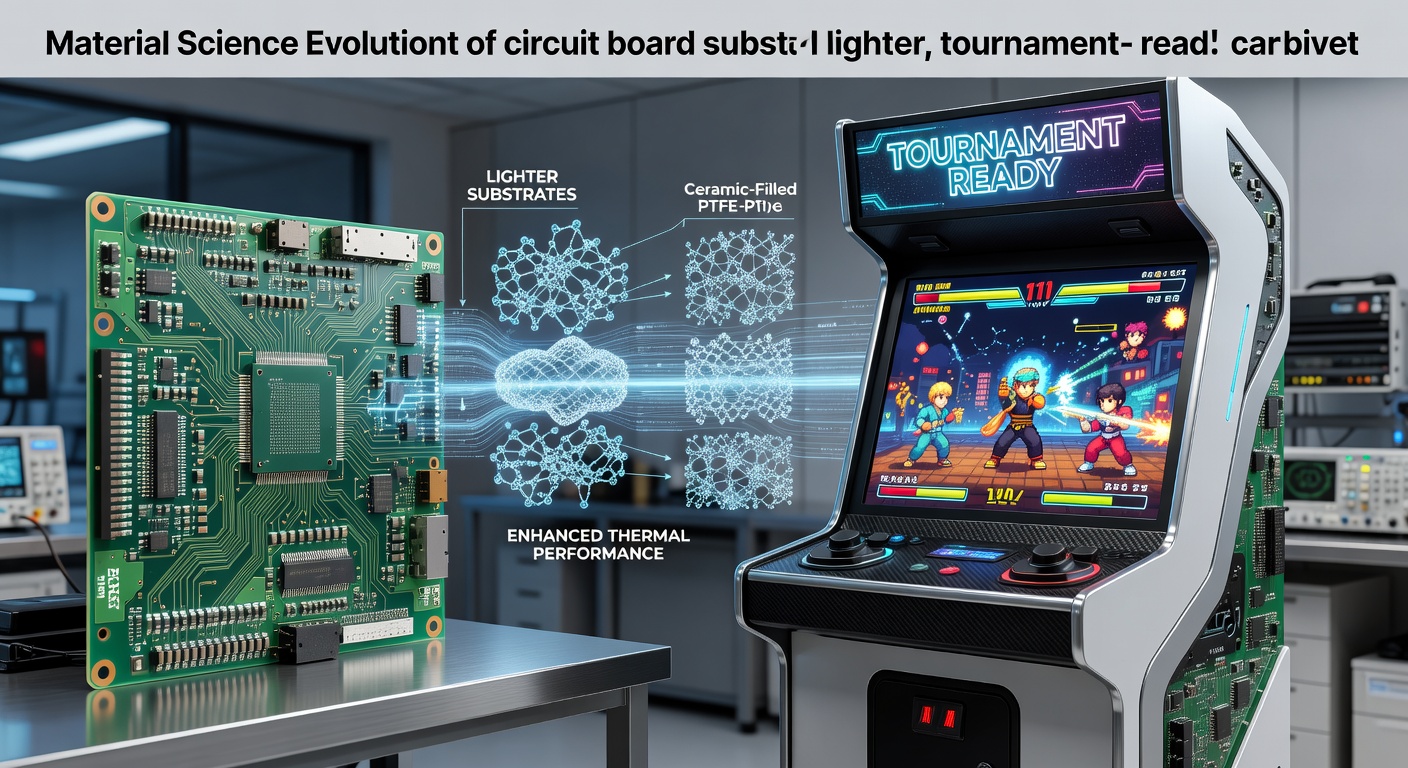
Material science advances continue reshaping circuit board substrates, moving away from traditional FR-4 epoxy glass laminates toward lighter alternatives that maintain electrical performance while reducing overall mass. Researchers track these developments closely because arcade cabinet manufacturers seek designs that meet tournament portability requirements without compromising signal integrity or thermal management. Data from industry reports show substrate weight reductions of up to 40 percent in prototypes tested during 2025, enabling cabinets that fit standard event transport cases more easily.
Traditional substrates delivered reliable mechanical strength yet added significant heft to control boards and power distribution systems inside full-size cabinets. Engineers noted that repeated transport for regional tournaments accelerated wear on mounting hardware, prompting investigations into alternative base materials. Polyimide films adn reinforced thermoplastic composites emerged as viable replacements because they offer comparable dielectric properties alongside lower density, allowing designers to trim structural supports without risking board flex during intense gameplay sessions.
Key Material Transitions Underway
Polyimide-based substrates gained traction after multiple manufacturers validated their performance in high-frequency signal paths required by modern fighting game interfaces. These films withstand repeated thermal cycling from LED arrays and processor loads while weighing substantially less than glass-reinforced epoxy. Ceramic-filled polymers represent another pathway under active evaluation, delivering improved heat spreading that reduces reliance on separate heatsinks. Observers note that such substitutions streamline assembly lines and cut total component counts in new cabinet generations.
Testing protocols established by standards organizations confirm that newer substrates retain insulation resistance and copper adhesion levels sufficient for tournament environments. A collaborative study coordinated through North American research institutions documented consistent operation across temperature ranges typical of convention halls, where ambient conditions fluctuate rapidly between setup and peak attendance hours. This stability supports extended play periods without auxiliary cooling additions that would otherwise increase cabinet mass.
Integration With Tournament Logistics
Arcade operators preparing for May 2026 events increasingly specify lighter boards when commissioning custom cabinets for fighting game majors. Reduced substrate weight translates directly into lower overall cabinet mass, which simplifies load-in procedures at venues with limited elevator capacity or narrow access corridors. Teams responsible for bracket management report faster floor resets between rounds because crews handle fewer heavy panels during reconfiguration.
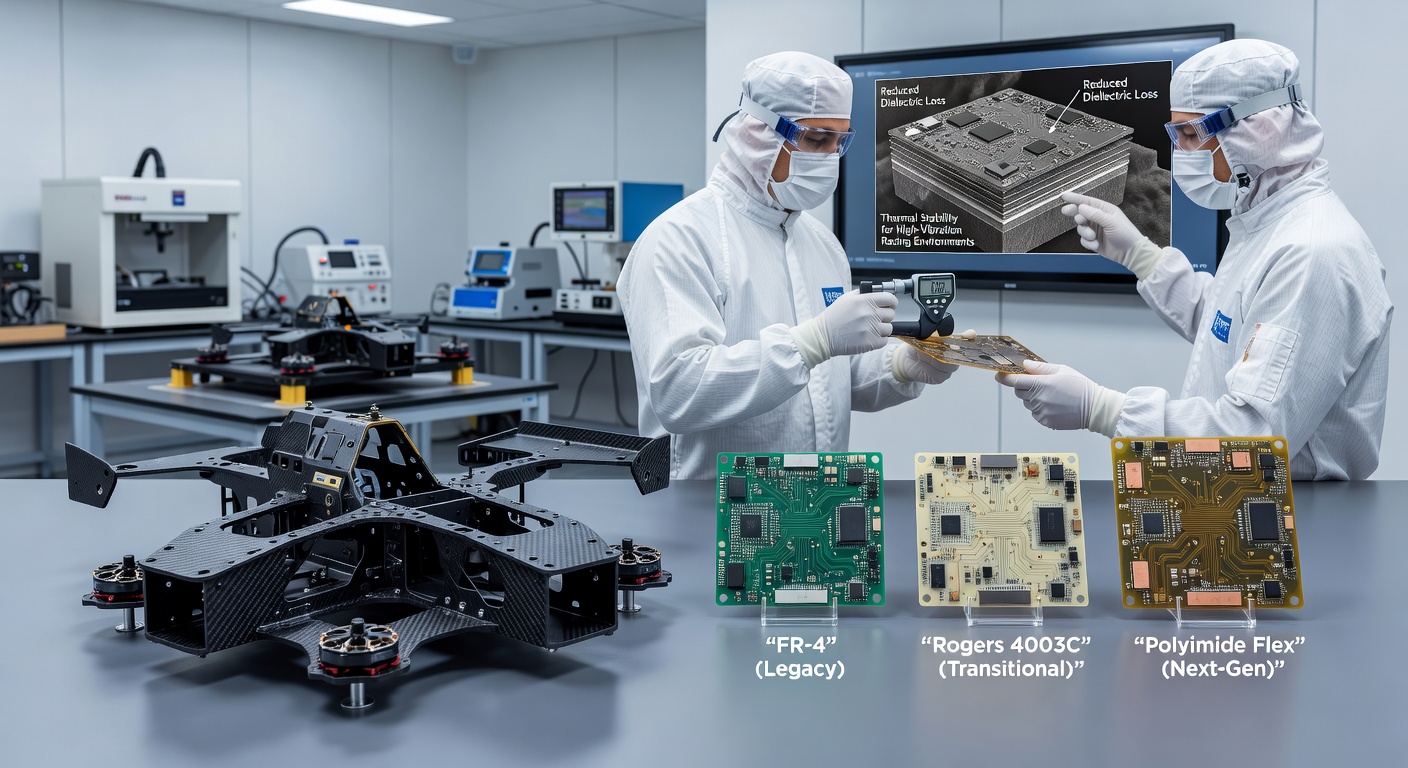
Power distribution sections benefit particularly from the shift because thinner yet stronger laminates permit denser trace routing without increasing board area. This compactness allows designers to reposition power regulators closer to load points, shortening cable runs and trimming additional grams from each unit. Data collected at recent regional qualifiers indicate that cabinets built on updated substrates require 15 percent less time for teardown compared with prior generations.
Supporting Research and Standards
Academic groups across Europe and Asia have published findings on hybrid substrate constructions that combine low-density cores with high-performance surface layers. These layered approaches preserve high-speed signal characteristics demanded by optical encoder interfaces while achieving measurable mass savings. According to NIST technical summaries, accelerated aging tests on candidate materials show no degradation in via reliability after simulated multi-event transport cycles.
Industry associations tracking component supply chains highlight growing availability of these specialized laminates from suppliers serving automotive and aerospace sectors. Volume pricing trends suggest accessibility for mid-tier cabinet builders within the next production cycle. Canadian research consortia have contributed comparative lifecycle analyses showing that lighter substrates also reduce shipping emissions per unit when cabinets travel between international circuits.
Practical Outcomes in Cabinet Design
Design teams now incorporate substrate selection earlier in the development timeline because material choice influences frame geometry and mounting strategies. Cabinets destined for pro circuits feature integrated board trays that exploit the improved stiffness-to-weight ratios of new laminates, eliminating redundant bracing. This holistic approach yields cabinets that remain stable on uneven tournament flooring yet pack efficiently into standard shipping containers.
Thermal simulations conducted by independent labs demonstrate that ceramic-enhanced substrates dissipate localized heat from voltage regulators more effectively than legacy materials, supporting higher continuous current draws without active fans. Tournament organizers note fewer service interruptions during long double-elimination brackets when cabinets operate under sustained load.
Conclusion
Substrate innovations continue enabling measurable progress toward lighter, tournament-capable arcade cabinets that preserve performance benchmarks established over previous hardware generations. Evidence from ongoing validation programs and supply chain data indicates sustained adoption through 2026 and beyond as manufacturers refine integration techniques. These material shifts align directly with logistical demands of competitive circuits while maintaining the durability required for repeated event deployments.