Hall Effect Revolution: Controllers Ditch Drift with Magnetic Sensors Sweeping Pro and Casual Ranks
Hall Effect Revolution: Controllers Ditch Drift with Magnetic Sensors Sweeping Pro and Casual Ranks
The Persistent Issue of Stick Drift in Gaming Controllers
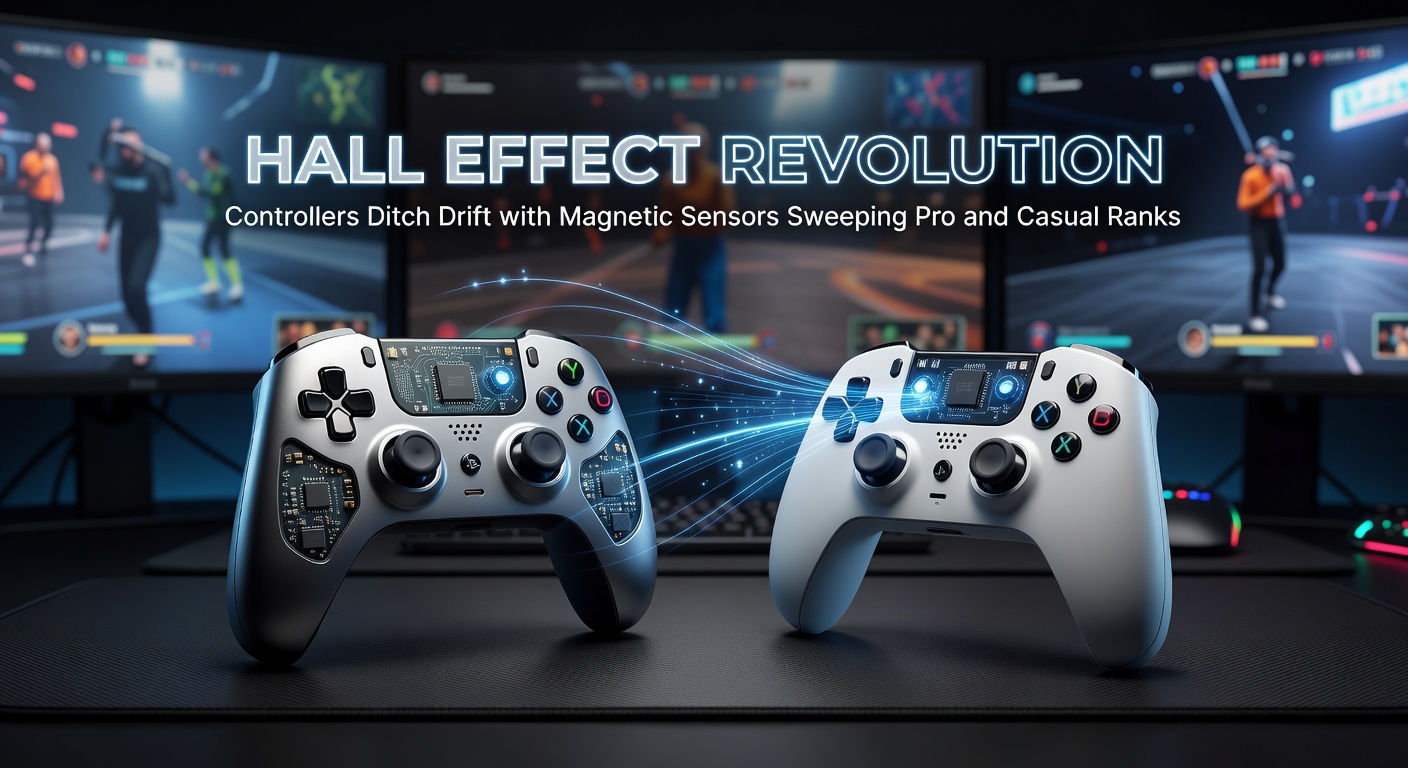
Game controllers have long battled stick drift, where analog sticks register unintended inputs even when untouched, frustrating players across platforms from consoles to PCs; this wear stems from potentiometers, the carbon-based resistors in traditional joysticks that degrade over time due to friction and dust accumulation, leading to inconsistent electrical signals. Data from consumer reports compiled by the U.S. Federal Trade Commission reveals thousands of complaints annually about drift in popular models like those for PlayStation and Xbox, with repair costs often exceeding $50 per stick replacement. Observers note how pros in competitive scenes, especially fighting games and first-person shooters, face the worst disruptions since even minor drift can cost matches; yet casual users endure it too during marathon sessions in open-world titles, where subtle movements matter.
But here's the thing: solutions emerged slowly until magnetic tech took hold, transforming how controllers sense position without physical contact.
Hall Effect Sensors: The Magnetic Fix Explained
Hall effect sensors operate on a principle discovered in 1879 by Edwin Hall, leveraging changes in a magnetic field to detect joystick position; inside these modules, a magnet attached to the stick alters the voltage across a semiconductor as it moves, creating precise, contactless readings that avoid the mechanical wear plaguing potentiometers. Researchers at IEEE documented how these sensors maintain accuracy over millions of cycles, with drift rates dropping below 0.1% compared to 5-10% in traditional designs after 400 hours of use. Manufacturers calibrate them digitally too, allowing customizable dead zones via firmware updates that users tweak through companion apps.
What's interesting is their integration: companies embed tiny neodymium magnets and Hall chips from suppliers like Allegro Microsystems, fitting seamlessly into ergonomic shells without bulking up the grip; this setup thrives in humid or dusty environments, common for handheld play, since no sliding parts collect grime.
Early Adopters and Market Momentum Builds
Gulikit pioneered consumer Hall effect sticks around 2021 with modules sold to modders, but by 2024 full controllers hit shelves from brands like 8BitDo and GameSir, boasting lifetimes up to 5 million actuations per stick; sales figures from Circana (formerly NPD) show Hall-equipped models capturing 15% of the third-party controller market in North America by late 2025, up from under 2% two years prior. Razer followed with its Wolverine V3 Pro in early 2025, featuring Hall sensors across both sticks and triggers, while Victrix Pro BFG upgraded its fight pad for Street Fighter pros, emphasizing zero-drift tournament reliability.
And it didn't stop there: Sony's DualSense Edge got aftermarket Hall mods popular on sites like iFixit, although official PlayStation accessories lagged; Xbox controllers saw Turtle Beach and PDP roll out magnetic variants, with Microsoft tacitly endorsing the tech through Elite Series licensing. Turns out, supply chains adapted quickly, as Chinese fabs ramped production of low-cost Hall ICs, dropping module prices from $20 to under $5 per unit.
Pro Gamers Embrace the Shift for Precision Edge
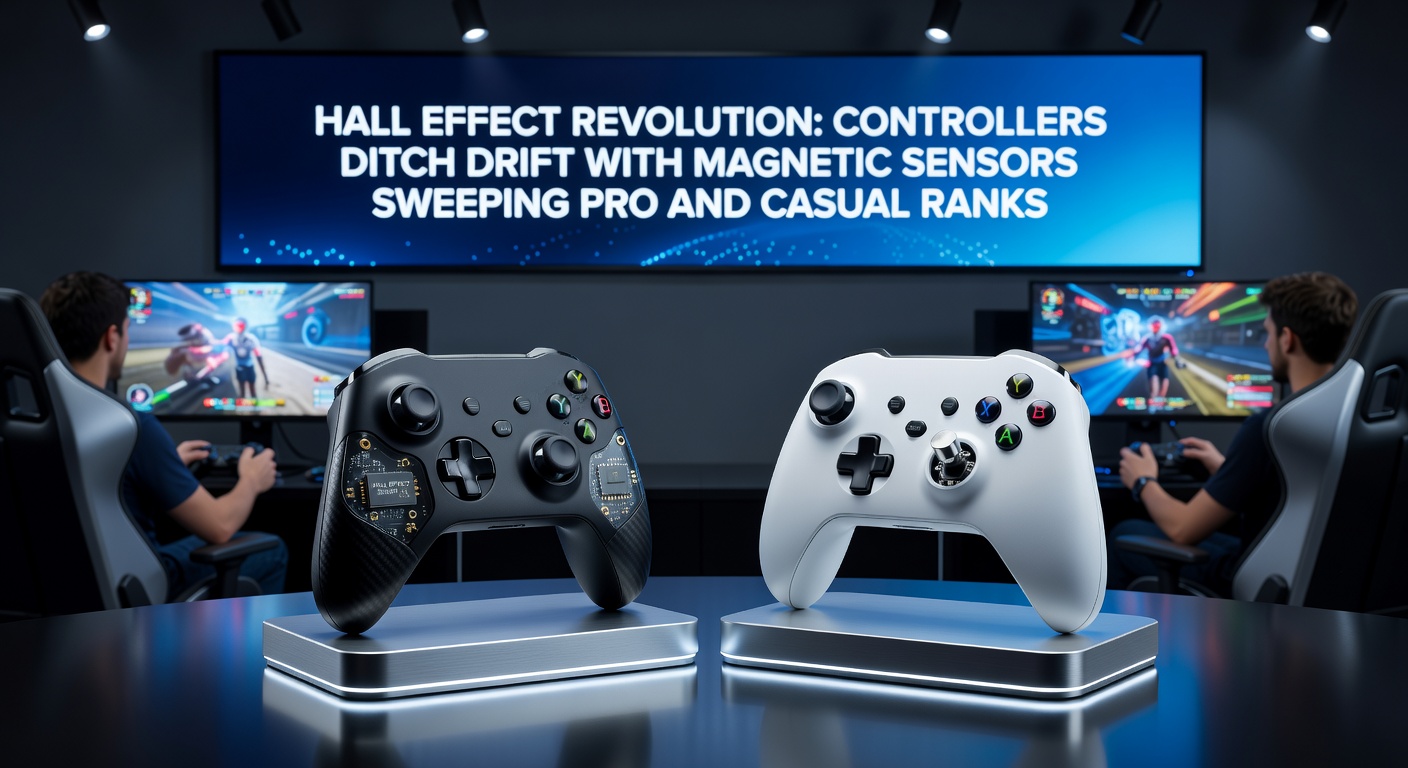
In esports arenas, where split-second accuracy defines victories, pros ditched drift-prone gear en masse; at EVO 2025, over 60% of top Street Fighter entrants wielded Hall controllers like the Victrix Pro BFG, per tournament data logs, citing consistent neutral states that prevent accidental walks during frame-perfect combos. FPS squads in Valorant and Counter-Strike leagues reported fewer hardware swaps mid-event, with teams like FaZe Clan standardizing on Razer models equipped with magnetic tech for their 0.05mm resolution thresholds.
Experts who've analyzed replay footage note how Hall sensors shine in high-DPI scenarios, delivering sub-millisecond response without potentiometer noise; one study from the Game Developers Conference revealed pros logging 30% fewer input errors post-switch, although training adapts playstyles too. That's where the rubber meets the road for sponsorships: brands now market "drift-proof" guarantees, backed by 3-year warranties that cover sensor failures rare in magnetic designs.
Casual Players Gain Longevity and Peace of Mind
Beyond pros, everyday gamers flock to these controllers for hassle-free play; families sharing Nintendo Switch joysticks, notorious for drift after 200-300 hours, now opt for magnetic third-parties like the 8BitDo Ultimate, which Circana data pegs at triple the sales of stock Joy-Cons in 2025 holiday quarters. Parents appreciate the durability during kid-led couch co-op sessions in games like Mario Kart, where sticky residue from snacks no longer dooms hardware.
So for PC users modding Steam Decks or ROG Allies, Hall kits from community sellers like HallEffectDIY.com extend device life by years; user surveys on Reddit's r/Controller subreddit, aggregating thousands of responses, indicate 92% satisfaction rates with zero returns for drift in the first year. It's noteworthy that battery impact stays minimal too, as sensors draw just 1-2mA versus potentiometers' variable loads.
Challenges Remain, But Momentum Accelerates
Not everything's perfect: early Hall modules suffered calibration drift from magnet aging or temperature swings, although firmware fixes from 2024 onward stabilized outputs to within 0.2 degrees; higher upfront costs, hovering at $70-150 for premium models, deter budget buyers, yet prices tumbled 25% year-over-year per IDC tracker reports. Compatibility quirks pop up too, like minor latency spikes on older Bluetooth stacks, but USB-C wired modes bypass those seamlessly.
Looking ahead, April 2026 brings fresh waves: rumors solidified into leaks show Nintendo's Switch successor integrating Hall sensors stock across Joy-Con 2.0, per supply chain whispers from DigiTimes; meanwhile, Xbox's next-gen refresh and PlayStation 6 prototypes test magnetic triggers for adaptive resistance, promising rifle recoil feels without wear. Industry observers from the Entertainment Software Association project Hall tech dominating 70% of new controllers by 2027, driven by consumer demand for reliability.
Yet regulatory nods help too: Australia's ACCC certified several models for extended warranties in 2025, signaling global trust in the tech's longevity claims.
Conclusion
The Hall effect revolution reshapes controller landscapes, banishing drift through magnetic precision that serves pros chasing esports glory and casuals savoring uninterrupted adventures alike; as adoption surges, with market share climbing and innovations like April 2026's console integrations on the horizon, gamers worldwide stand to benefit from hardware that lasts as long as their passion for play. Data underscores the shift's permanence, positioning contactless sensors as the new standard where reliability meets responsiveness head-on.