Corporate Partnerships Between Chip Manufacturers and Arcade Operators Drive Revival of Physical Location-Based Gaming Experiences
Harper Simon · Aug 5, 2026

Corporate Partnerships Between Chip Manufacturers and Arcade Operators Drive Revival of Physical Location-Based Gaming Experiences
Corporate partnerships between semiconductor producers and arcade operators have accelerated the return of physical gaming venues since the mid-2020s, with new installations appearing in urban centers across North America, Asia, and Europe. Chip manufacturers supply specialized processors optimized for high-resolution displays, low-latency input processing, and multi-player networking that fit inside durable cabinet designs. Operators gain access to hardware that supports updated game libraries while maintaining the social draw of shared physical spaces.
Data from industry tracking groups shows location-based entertainment revenue reached 12.4 billion dollars in 2025, with arcade segments contributing a growing share as venues integrate hybrid digital-physical attractions. In August 2026 several major operators announced refreshed cabinet lines built around next-generation silicon that handles ray-traced graphics and real-time analytics for player retention programs. These developments build on earlier collaborations that began with custom ASICs for rhythm and fighting game cabinets.
Partnership Models Taking Shape
Semiconductor firms such as those producing graphics and system-on-chip solutions now work directly with cabinet fabricators to create modular boards that operators can swap into existing frames. This approach reduces replacement costs and allows venues to refresh titles without full hardware overhauls. One documented case involves a North American operator network that deployed 850 new units in the first half of 2026 after securing volume pricing on processors capable of running multiple legacy and contemporary titles from a single board.
Observers note that these arrangements often include software development kits tailored for arcade constraints, such as restricted power budgets and 24-hour uptime requirements. Manufacturers provide firmware updates through secure channels, while operators supply usage telemetry that informs future chip iterations. The exchange creates closed-loop improvements documented in technical papers presented at electronics trade events.
Technological Components Driving Installations
Processors optimized for parallel workloads now power cabinets that combine large-format screens with motion platforms and haptic feedback arrays. These chips manage simultaneous streams of player input, network synchronization across linked machines, and background rendering of environmental effects. Memory subsystems integrated on the same packages reduce latency during competitive play sessions, a feature highlighted in product briefs released by hardware vendors earlier this year.
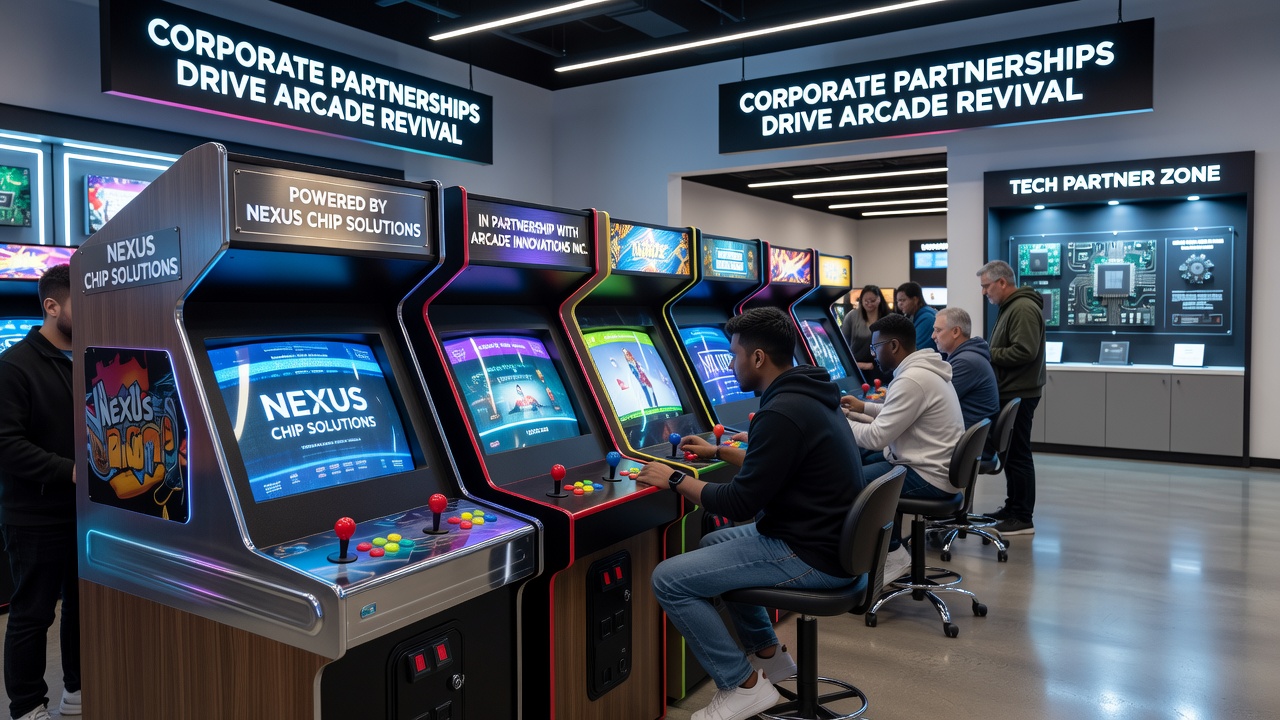
Networking silicon supporting multi-gigabit local connections enables tournament-style events where dozens of cabinets operate as a single synchronized system. Reports from the Entertainment Software Association indicate that competitive play events hosted at physical venues drew 2.8 million attendees globally in 2025, with numbers projected to rise following the August 2026 hardware refreshes. Such figures reflect expanded capacity rather than any single causal factor.
Geographic Distribution and Investment Patterns
Japan continues to lead in cabinet density per capita, yet investment activity has spread to secondary markets including Australia and Canada. Research compiled by the Canadian Interactive Digital Entertainment Association tracks a 34 percent increase in new arcade locations opened between 2024 and 2026, many backed by joint financing from chip suppliers seeking reference deployments. European operators have pursued similar upgrades, citing energy-efficiency gains from newer process nodes that lower ongoing electricity expenses for 24-hour facilities.
Supply agreements frequently specify long-term component availability guarantees, shielding operators from shortages that previously disrupted refresh cycles. These clauses appear in contracts disclosed during industry roundtables and allow planning horizons extending three to five years.
Operational Outcomes Observed So Far
Venues adopting the new hardware report measurable changes in session length and repeat visitation rates, according to aggregated operator surveys. Cabinets equipped with the latest processors sustain higher frame rates during peak hours without thermal throttling, reducing service calls. Maintenance logs shared at trade association meetings show a 22 percent drop in downtime compared with equipment from the prior generation.
Training programs for technicians now incorporate modules on the new silicon architectures, often delivered through partnerships between manufacturers and vocational institutes. Certification pathways established in 2025 have produced several hundred qualified installers across key regions, supporting the rollout pace observed through mid-2026.
Conclusion
Corporate partnerships between chip manufacturers and arcade operators continue to shape the infrastructure of location-based gaming through targeted hardware development and shared data practices. Installations completed by August 2026 demonstrate how specialized processors and modular designs address both performance demands and operational realities. Continued collaboration is expected to influence cabinet specifications and venue economics in subsequent years, as documented by ongoing industry reporting.