Biometric Sensor Grids in Sim Racing Rigs Track Pro Driver Vitals to Refine Endurance Strategies at Endurance Events
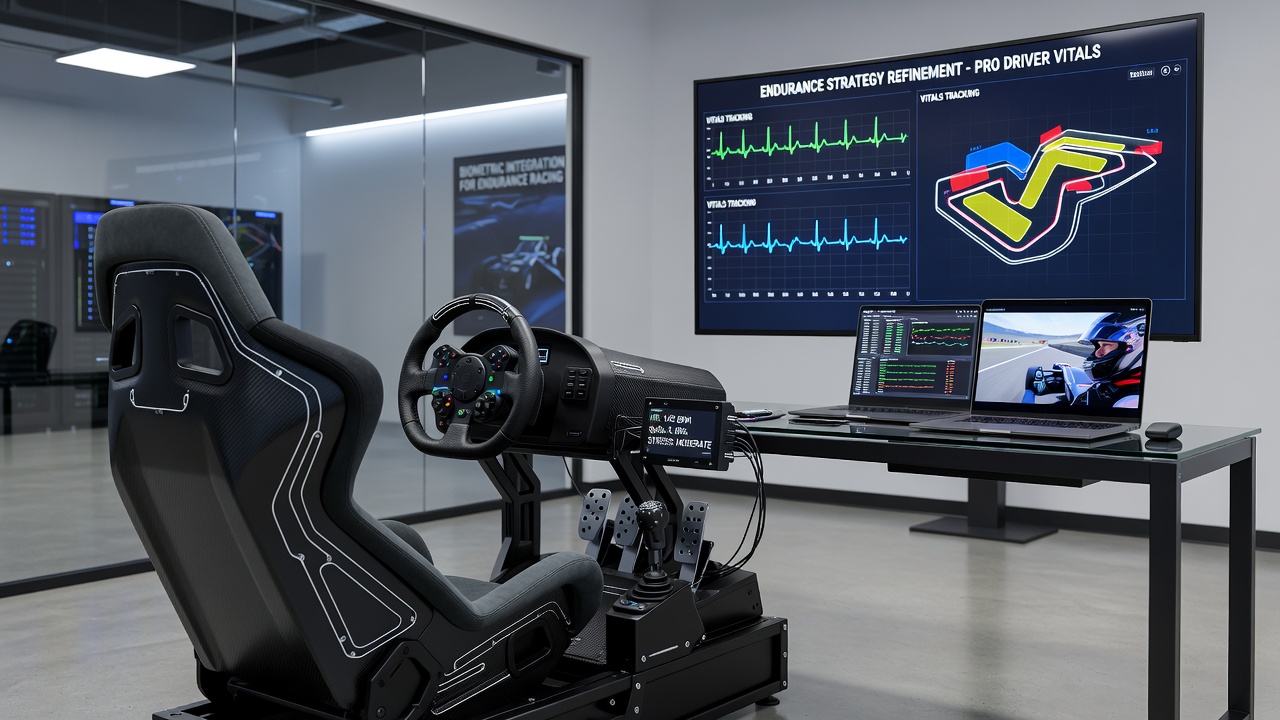
Biometric sensor grids integrate into sim racing rigs through flexible arrays placed across the seat, steering wheel, and pedal assembly, capturing continuous readings of heart rate variability, respiration rate, skin conductance, and muscle tension. These systems connect to onboard processors that stream data in real time to team analysis software, allowing crews to adjust driver rotations and pacing plans during extended virtual races that mirror physical endurance events.
Sensor Placement and Data Collection Methods
Teams embed conductive fabric patches and optical pulse sensors directly into rig components so drivers experience minimal interference while the grid records physiological markers every second. Research from motorsport engineering programs shows that combining electrocardiogram signals with grip force measurements on the wheel provides a clearer picture of fatigue onset compared to isolated metrics alone. Observers note that calibration routines run before each session establish baseline values for individual drivers, which helps isolate deviations caused by prolonged stints rather than external factors like room temperature or hydration levels.
Application During Endurance Events
Endurance competitions in sim racing often span eight to twenty-four hours, and sensor grids supply teams with actionable indicators when cognitive load begins to impair lap consistency. Data streams feed into dashboards that flag rising heart rates or declining variability, prompting strategists to call for driver changes before performance drops become visible on timing screens. In June 2026, several major virtual endurance series incorporated these grids as standard equipment, with organizers reporting that average stint lengths increased by measurable margins once crews started acting on biometric alerts rather than fixed schedules.
Integration with Strategy Software
Analysis platforms correlate biometric readings with telemetry such as steering input smoothness and brake pressure consistency, creating layered models that predict optimal rotation windows. Engineers program algorithms to weigh multiple signals together, for instance pairing elevated skin conductance with minor increases in lap-time variance to trigger an earlier pit window. Those who have studied these setups find that the combined datasets reduce reliance on subjective driver feedback, which often lags behind actual physiological changes during high-intensity periods.
Examples from Professional Teams
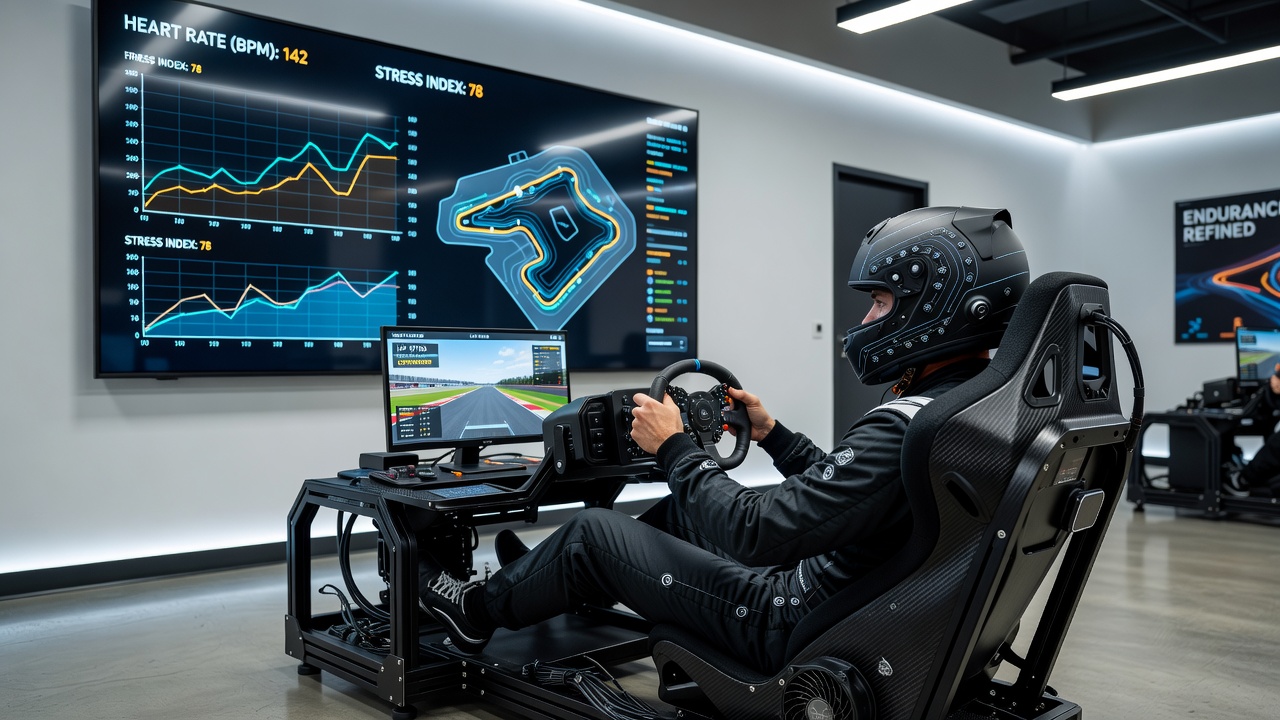
One European squad competing in a twelve-hour virtual event used grid data to identify a driver whose respiration rate climbed sharply after four hours, leading to a proactive swap that preserved overall pace. Another North American team cross-referenced muscle tension readings with steering telemetry to adjust seating position mid-event, resulting in steadier inputs over the remaining stints. Reports from these competitions indicate that squads employing sensor grids finished with tighter standard deviations in lap times during the final hours compared to teams relying solely on traditional timing and driver reports.
Technical Standards and Calibration Practices
Industry groups have begun outlining protocols for sensor accuracy, requiring periodic verification against medical-grade reference devices to maintain data reliability across different rig configurations. Calibration sessions typically occur in controlled environments where drivers perform standardized tasks while the grid records responses, establishing thresholds for alerts that account for personal fitness variations. Data handling procedures emphasize secure transmission to prevent unauthorized access during live events, and storage systems archive full sessions for post-race review by performance analysts.
Challenges in Implementation
Signal noise from rig vibrations and electromagnetic interference from nearby electronics can affect reading quality, prompting developers to incorporate filtering algorithms that isolate driver-specific patterns. Some setups require additional shielding around conductive elements to maintain clean data streams throughout long sessions. Teams also address driver comfort by selecting low-profile sensor materials that avoid pressure points, ensuring that the monitoring equipment itself does not introduce new fatigue factors.
Future Developments and June 2026 Outlook
Upcoming iterations focus on wireless transmission modules that reduce cable clutter while preserving sampling rates above one hundred hertz. Research institutions in multiple regions continue testing predictive models that combine biometric trends with historical race data to generate automated strategy suggestions. By June 2026, several series plan expanded trials of these enhanced grids, including integration with environmental controls that adjust rig cooling based on detected body temperature shifts.
Conclusion
Biometric sensor grids supply endurance sim racing teams with continuous physiological data that supports more precise rotation decisions and pacing adjustments. As calibration standards mature and analysis tools improve, these systems deliver measurable consistency gains across extended events without altering core driving mechanics. Ongoing technical refinements ensure the grids remain practical additions to professional setups while expanding the range of available performance indicators.