Biofeedback Headsets Reshape Pro Player Training Regimens Across Major Esports Leagues
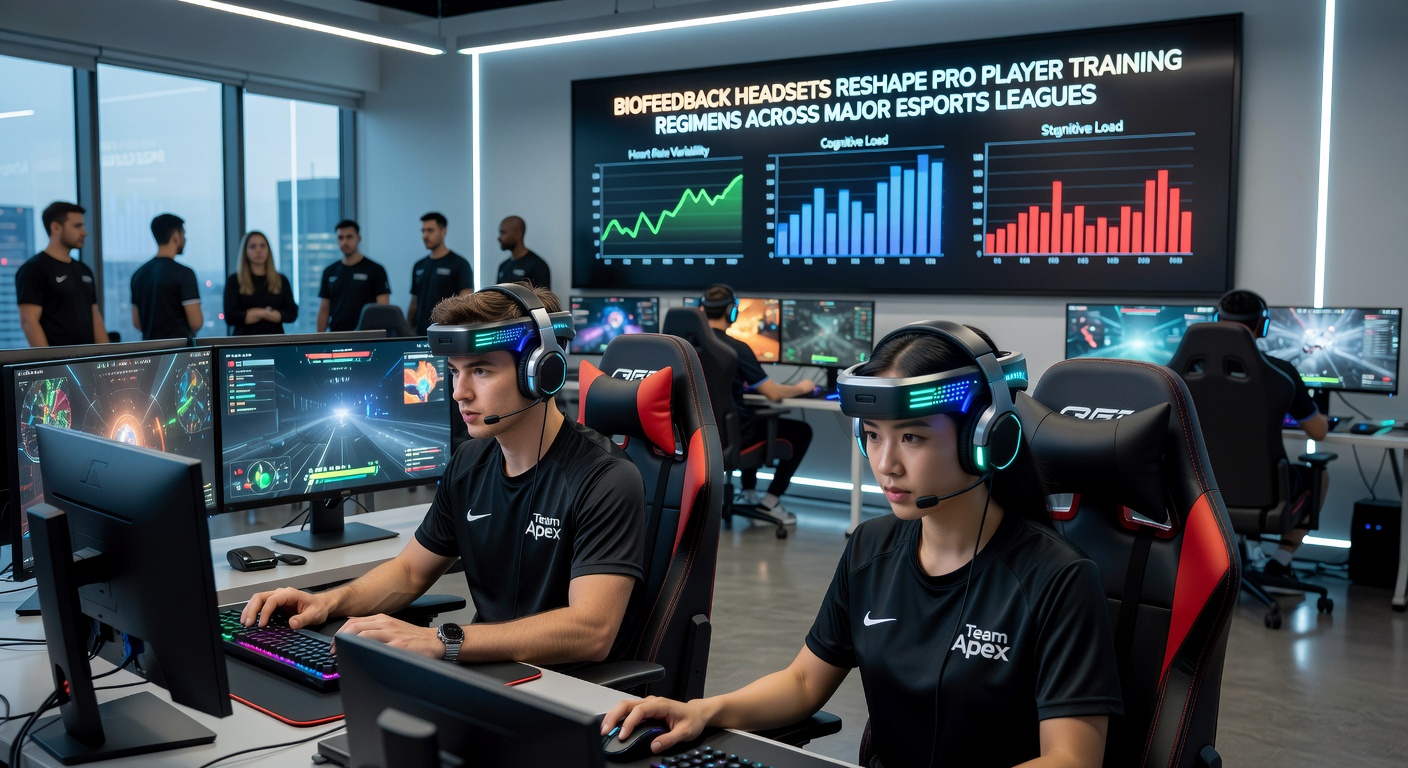
Biofeedback headsets track physiological signals such as brainwave patterns, heart rate variability and muscle tension then feed that data back to players and coaches in real time so training sessions can adjust on the fly. Teams across leagues including the LEC, LPL and North American Valorant circuits have folded these devices into daily routines by June 2026 with measurable shifts in how preparation time gets allocated before matches.
How the Technology Integrates into Daily Practice
Headsets equipped with EEG sensors sit over the temples and forehead while additional straps pick up pulse data from behind the ears. Software dashboards translate those readings into simple graphs that show when focus drops or stress spikes during aim trainers or team scrims. Coaches review the numbers after each block and tweak the next drill length or introduce breathing cues when variability falls below a preset threshold. One European organization reported that sessions now last fifteen minutes shorter on average yet produce the same accuracy scores because rest intervals are timed to individual recovery curves rather than fixed schedules.
League-Wide Rollouts and Data Sharing
Multiple organizations signed agreements with device makers in late 2025 that allow anonymized datasets to move between teams for comparative analysis. The setup lets analysts spot patterns across regions without revealing proprietary tactics. In the LCK for example staff noticed that players who maintained steady alpha wave activity during post-death review phases showed quicker decision making in the next round. Similar observations surfaced in Australian circuits where teams cross-reference their figures against compiled benchmarks from the region. Those comparisons help smaller organizations allocate limited coaching hours more precisely because they know which metrics correlate with win rates at their level.
Training Adjustments Based on Physiological Feedback
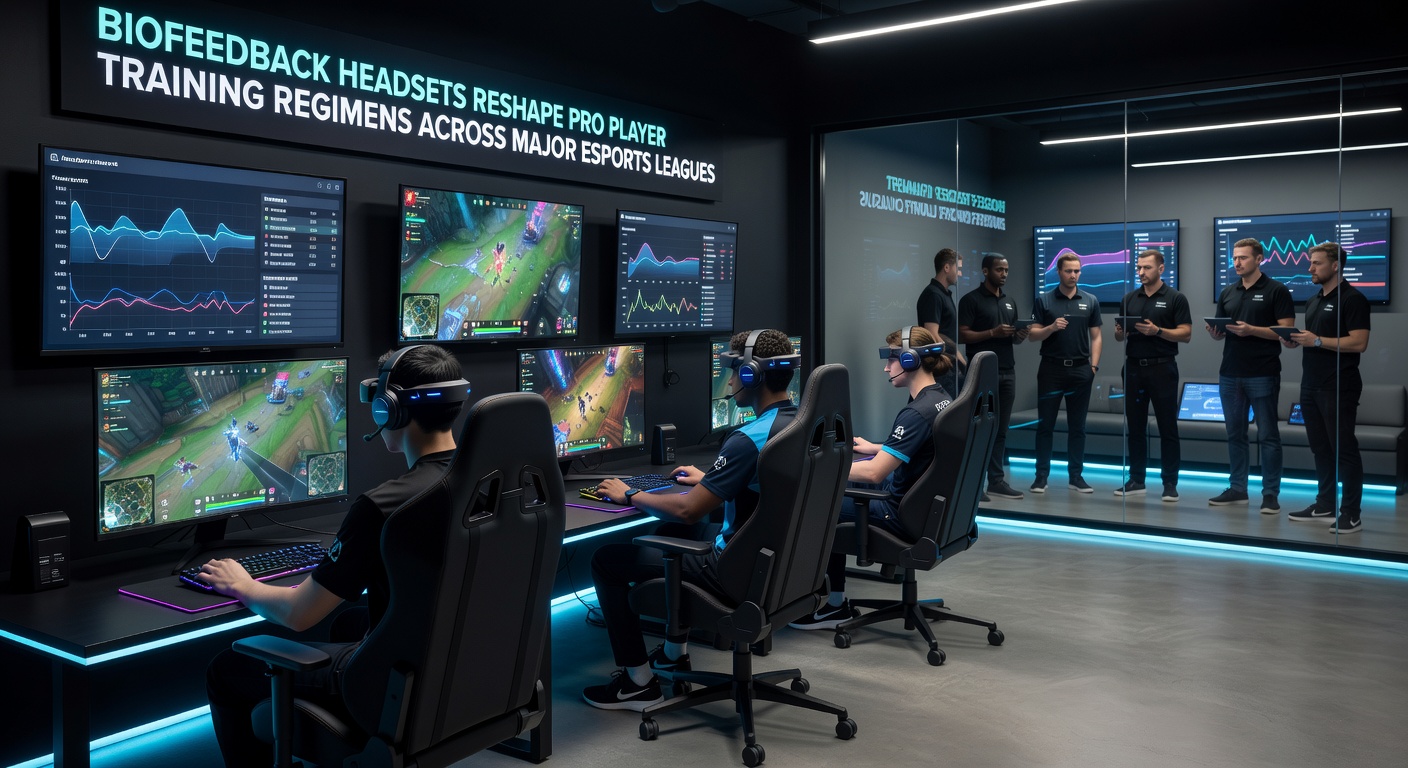
Rather than extending scrim blocks until fatigue sets in coaches now insert micro-breaks when heart rate variability dips sharply. The change reduces tilt accumulation according to internal logs shared among several North American squads. Warm-up routines incorporate guided breathing sequences calibrated to each player's baseline so pre-match arousal levels stay within an optimal window. Mid-season tournaments in June 2026 featured visible differences in how quickly substitute players ramped up after coming off the bench because their headsets flagged readiness earlier than subjective self-reports had allowed. Staff also use the data to decide when to rotate players out of back-to-back scrim days if sustained beta wave elevation suggests lingering mental load.
Academic and Industry Research Supporting the Shift
Studies compiled by research groups at the University of Toronto and published through IEEE platforms tracked twenty professional teams over six months and found consistent reductions in reported burnout scores when biofeedback data guided rest timing. Separate work from Australian sports science institutes examined heart rate metrics during high-stakes qualifiers and noted faster return to baseline levels among athletes who trained with the headsets compared with control groups. Those findings circulate among league medical staff who incorporate the parameters into existing wellness protocols rather than treating the devices as standalone tools. Industry reports from trade associations in the Asia-Pacific region further indicate that hardware costs have dropped enough for academy squads to adopt entry-level models so the approach now reaches developmental rosters as well.
Implementation Challenges Across Different Regions
Not every league adopted the technology at the same pace because data privacy rules vary by jurisdiction. European squads operate under stricter consent frameworks that require separate approvals for each data stream while some Asian circuits moved faster once league offices standardized release forms. Hardware calibration also differs across head shapes and hair types so teams maintain multiple fit kits and run weekly checks to keep readings accurate. Early versions produced noisy signals during rapid head movements common in FPS titles but firmware updates released in spring 2026 reduced those artifacts enough for reliable use during live practice. Support staff now spend roughly forty minutes per week on maintenance tasks that were not part of previous routines yet the time trade-off is offset by fewer extended recovery periods after tournaments.
Conclusion
Biofeedback headsets supply objective markers that let coaching staffs refine training blocks around individual recovery profiles instead of uniform schedules. Leagues continue to expand data-sharing agreements while researchers refine correlation models between specific signal patterns and in-game metrics. As of June 2026 the devices sit alongside traditional review tools rather than replacing them and the combined approach shapes how organizations allocate practice hours across major competitive circuits.