Bioengineered Polymers Form Durable Keycaps for High-Volume Arcades
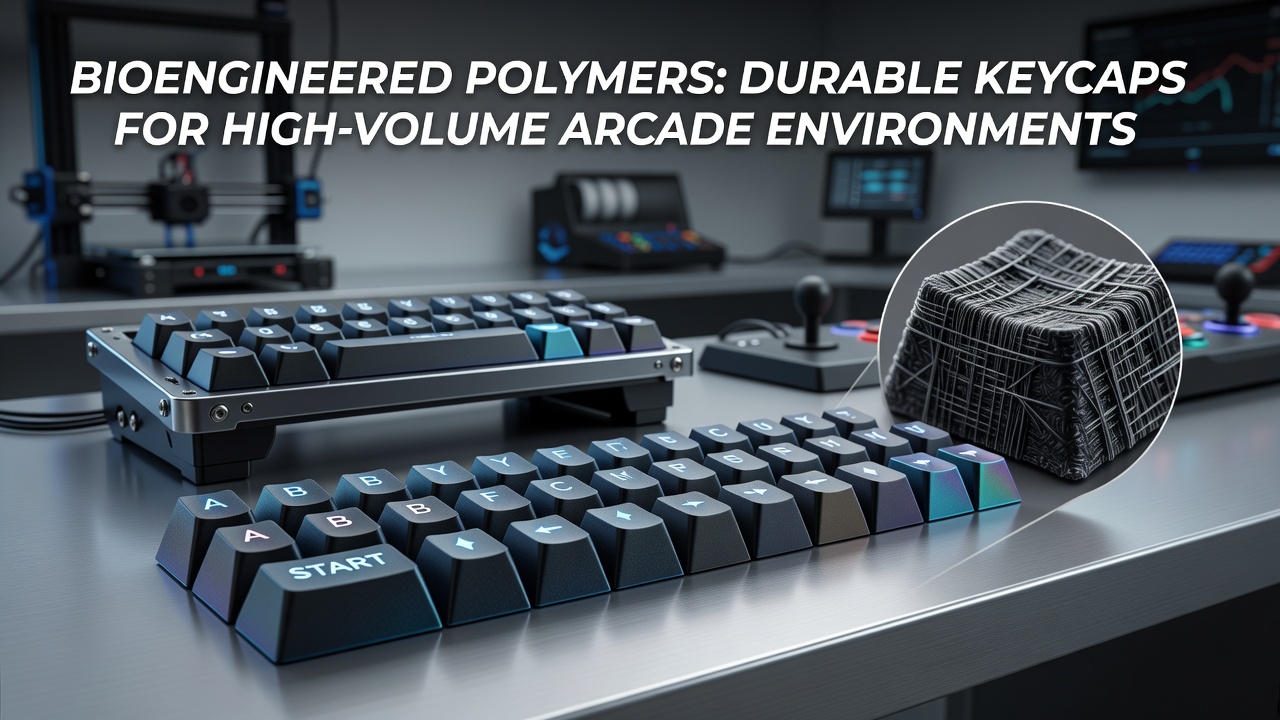
Bioengineered polymers have entered arcade manufacturing as a direct response to the rapid degradation of traditional keycap materials under continuous player interaction. These polymers combine synthetic biology techniques with polymer chemistry to produce keycaps that maintain structural integrity across millions of presses in busy venues. Research from the American Chemical Society indicates that specific strains of engineered bacteria contribute to the creation of polymer chains with enhanced cross-linking density which directly correlates with extended service life in public gaming equipment.
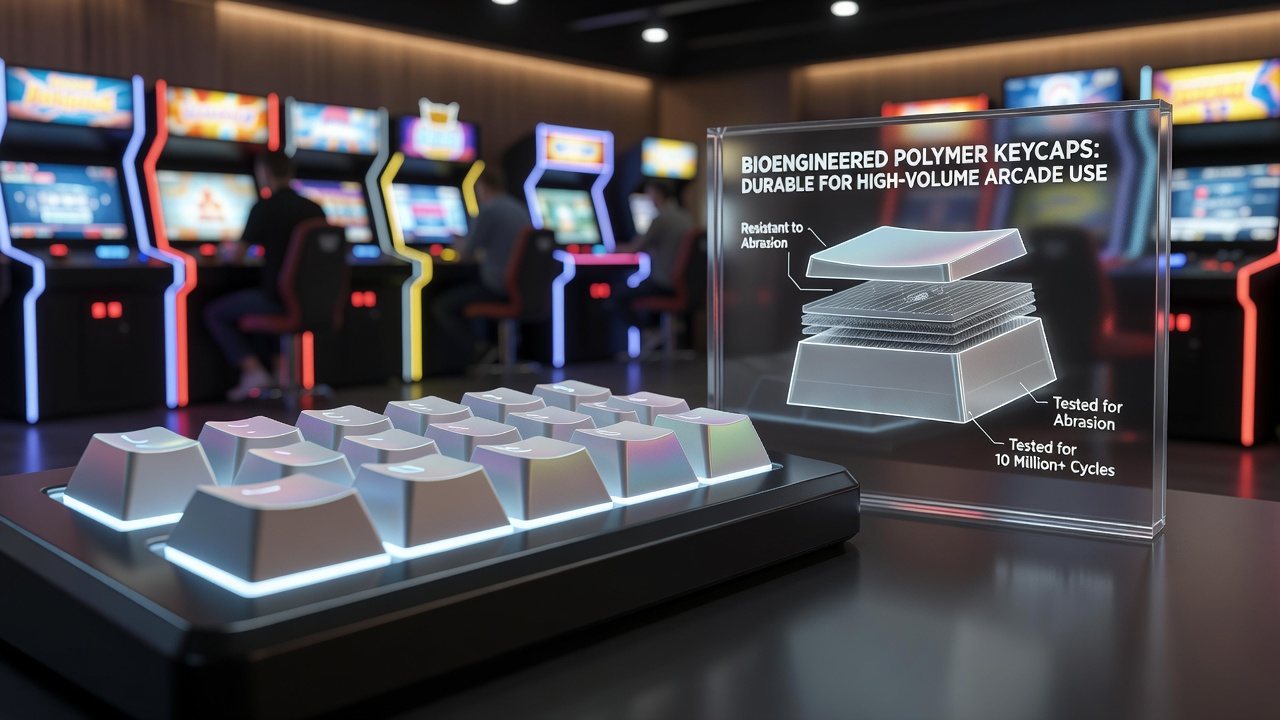
Arcade operators track wear patterns through standardized testing protocols that simulate years of use within weeks of accelerated cycles. Data collected from facilities in multiple regions shows that bioengineered variants outlast conventional ABS plastics by factors of three to five times when subjected to identical friction and impact loads. The material formulation incorporates self-healing microcapsules that activate upon surface abrasion releasing monomers that bond with exposed areas and restore smoothness without external intervention.
Material Composition and Production Process
Production begins with microbial fermentation that yields precursor molecules later polymerized under controlled temperature and pressure conditions. Engineers adjust amino acid sequences within the biological templates to tailor hardness and flexibility ratios resulting in keycaps that resist both cracking from repeated strikes and softening from elevated cabinet temperatures. Injection molding equipment calibrated for these polymers operates at lower energy thresholds than those required for petroleum-derived alternatives which reduces overall manufacturing footprints according to figures released by the European Research Council.
Color integration occurs during the polymerization stage rather than through post-production dyeing which eliminates surface layers prone to chipping. Pigment molecules bond covalently within the polymer matrix maintaining vibrancy even after prolonged ultraviolet exposure from venue lighting systems. Operators report consistent visual appeal across machine fleets without the need for frequent part replacements that previously disrupted service schedules.
Performance in High-Traffic Settings
High-volume arcade environments impose unique stresses including constant humidity fluctuations from crowd respiration and occasional spills that accelerate material breakdown. Bioengineered keycaps demonstrate hydrophobic surface properties that cause liquids to bead and roll away minimizing absorption and subsequent swelling. Testing conducted in June 2026 at a major trade exhibition confirmed these characteristics under live conditions where prototype units endured peak-hour usage without measurable dimensional changes.
Friction coefficients remain stable across temperature ranges common in gaming halls because the polymer structure incorporates temperature-responsive segments that adjust molecular spacing dynamically. This adaptability prevents the stickiness or looseness observed in legacy materials during seasonal shifts. Maintenance logs from regional chains indicate reduced downtime since the adoption of these components because cleaning cycles no longer risk surface damage from aggressive solvents.
Integration with Existing Arcade Infrastructure
Compatibility extends to both new cabinet builds and retrofits of older machines where mounting stems align with industry-standard switches. Manufacturers supply modular sets that allow selective replacement of high-use buttons such as those for directional controls while retaining original parts elsewhere. This targeted approach lowers initial investment barriers for smaller venues while still delivering measurable improvements in overall equipment longevity.
Supply chain developments have incorporated recycled biological feedstocks that maintain performance specifications without introducing variability. Traceability systems document each batch from fermentation through final molding enabling operators to verify material provenance for compliance with venue sustainability guidelines. Partnerships between polymer producers and arcade associations have standardized testing benchmarks that facilitate direct comparisons across different suppliers.
Future Developments and Industry Adoption
Ongoing refinements focus on incorporating additional sensory feedback elements such as subtle texture variations that guide finger placement without compromising the primary durability mandate. Pilot programs launched in North American and Asian markets continue to gather usage metrics that inform iterative adjustments to polymer recipes. Observers note that these advancements coincide with broader shifts toward biologically derived components across the entertainment equipment sector.
Regulatory frameworks in several jurisdictions now reference performance standards derived from bioengineered material testing which encourages wider implementation. Academic collaborations with institutions in Canada and Australia have produced open-access datasets detailing degradation curves under varied operational parameters allowing independent verification of manufacturer claims.
Conclusion
Bioengineered polymers represent a measurable advancement in keycap technology tailored specifically for the demands of continuous arcade operation. Their adoption reflects documented improvements in lifespan and maintenance efficiency supported by data from multiple testing environments. As production scales and integration methods refine further applications across related input devices remain under active exploration by equipment designers and venue operators alike.