Adaptive Audio Layers: How Procedural Sound Design Tools Are Cutting Studio Iteration Cycles
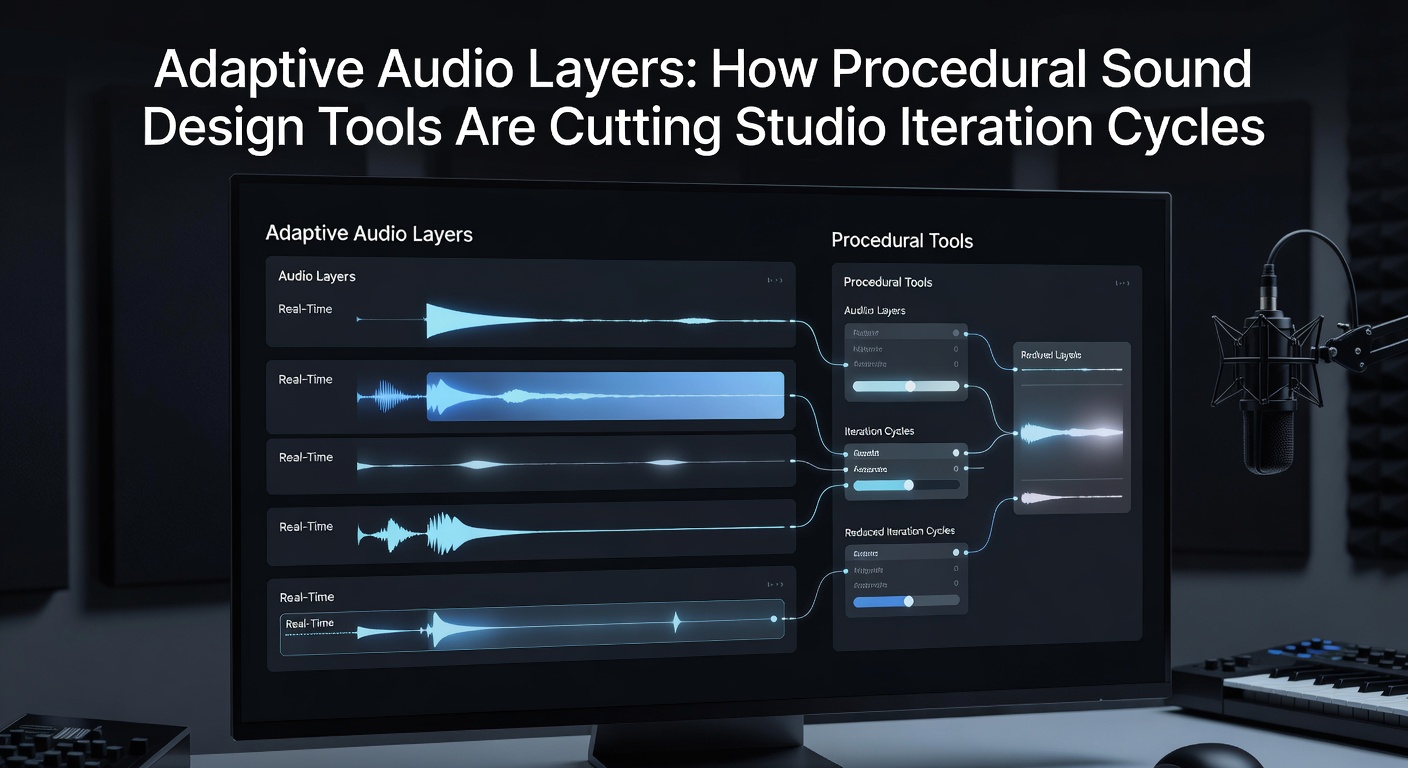
Game audio production has shifted as studios adopt adaptive audio layers that respond dynamically to player actions and environmental variables. These layers rely on procedural sound design tools that generate variations in real time rather than relying on fixed recordings. Developers have observed shorter revision cycles because changes to parameters adjust multiple sound elements simultaneously without requiring separate manual edits for each scenario.
Traditional workflows often involved recording dozens of audio takes then layering them manually for different game states. Procedural systems replace much of that repetition with algorithms that alter pitch, timing, and texture based on inputs like velocity or distance. Research from university labs indicates that teams using these methods complete audio passes in fewer rounds, with some reports citing average reductions of 35 percent in total iteration time across mid-sized projects completed between 2024 and 2025.
Defining Adaptive Audio Layers in Practice
Adaptive audio layers function as modular systems where individual sound components sit on separate tracks that the engine mixes according to live game data. One layer might handle footstep variations while another manages ambient responses, and both react to the same set of variables without additional composer input. This structure lets a single base asset expand into hundreds of audible outcomes during play.
Engineers connect these layers through parameter trees that map game events to audio controls. When a character enters water, for example, the system blends surface sounds with underwater muffling while adjusting reverb tails automatically. Observers at recent developer conferences note that this mapping happens early in production so later design changes affect sound behavior across many situations at once.
Procedural Tools Driving Efficiency Gains
Several software packages now include built-in procedural generators that create variations from core samples or synthesis parameters. These tools analyze incoming game telemetry and produce corresponding audio adjustments on the fly. Data collected by industry groups shows that studios integrating such generators report fewer back-and-forth sessions between audio and design departments because the system handles consistency checks internally.
One workflow example involves setting up rules for crowd reactions in a sports title. Instead of recording separate cheers for each score margin, the procedural engine scales intensity and layering based on current tension values. Teams that adopted this approach in late 2025 completed their audio deliverables weeks ahead of prior schedules, according to internal metrics shared at the 2026 Game Developers Conference.
Measured Reductions in Studio Iteration Cycles
Iteration cycles shrink when procedural rules replace repetitive asset creation. A single change to a base layer can propagate through all dependent variations without requiring new recordings or edits. Surveys conducted by European game research networks found that audio teams using adaptive systems averaged 22 fewer revision passes per major milestone compared with teams relying on static libraries.
Turnaround improves further because testing becomes more targeted. Rather than checking every possible sound combination, developers verify the underlying parameter logic and let the procedural engine handle edge cases. Figures from Australian interactive media studies released in early 2026 confirm similar patterns, with reported time savings reaching up to 40 percent on open-world projects where environmental audio dominates the budget.
Implementation Patterns Across Different Studios
Smaller teams often start by converting existing static sounds into layered procedural versions, beginning with high-frequency elements like UI feedback that see frequent reuse. Larger studios integrate the tools at the prototyping stage so level designers can hear dynamic results immediately. Both approaches share the outcome of reduced backtracking once core rules are established.
Training requirements remain modest because most procedural interfaces build on familiar digital audio workstation concepts. Sound designers learn to define ranges and relationships instead of sculpting every individual clip. This shift allows senior staff to focus on overall acoustic direction while junior members handle parameter tuning under guidance.
Developments Emerging in Mid-2026
By May 2026 several middleware providers have released updates that add machine-learning assistance to procedural layer creation. These features analyze existing game telemetry and suggest initial rule sets that teams can refine. Early adopters at independent studios report that the suggestions cut initial setup time by roughly half, though final artistic control stays with the sound designers.
Hardware advances also support wider adoption. Newer consoles and PCs handle the additional real-time calculations with minimal overhead, removing a previous barrier for high-fidelity titles. Industry reports indicate that adoption rates among mid-tier developers rose sharply in the first quarter of 2026 as these technical constraints eased.
Conclusion
Adaptive audio layers combined with procedural sound design tools continue to reshape how studios manage audio production timelines. By replacing repetitive manual work with rule-based generation, these systems deliver measurable reductions in iteration cycles while preserving creative oversight. Ongoing tool improvements and hardware support suggest the trend will extend into future project cycles without requiring wholesale changes to existing team structures.